Creating a Cozy Reading Corner in a Tiny Apartment
 Cordelia Cross
Aug 9, 2026 02:53
0
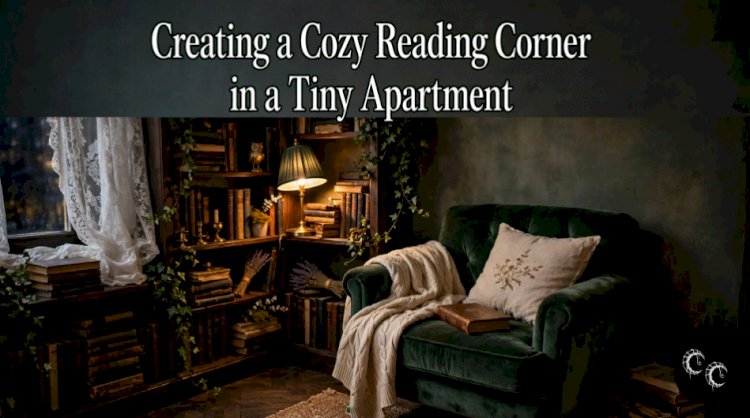
There is something wonderfully comforting about curling up with a good book while rain taps against the window, a warm drink sits within reach, and the rest of the world seems to fade away. Now imagine that little retreat filled with vintage books, dried flowers, dark wood, soft blankets, antique looking frames, and the quiet charm of an old countryside cottage.
That is the beauty of combining cottagecore with dark academia.
Cottagecore brings the romance of country living, natural textures, botanical details, and a gentle, homespun atmosphere. Dark academia adds moody colors, literary nostalgia, vintage furniture, and the feeling of spending a quiet afternoon in an old university library.
Together, they create a reading corner that feels romantic, mysterious, and wonderfully lived in. And you do not need a spacious home to make it happen.
Even in a tiny apartment, a forgotten corner, a narrow wall, or the space beside your bed can become a miniature literary sanctuary. The secret is choosing a few thoughtful pieces that make the area feel intentional without overwhelming your home.
1. Choose a Little Nook With a Story to Tell

Before buying anything, look around your apartment for a spot that could become your personal reading retreat.
You do not need a separate room. A corner beside a window, an unused section of your bedroom, the end of a living room sofa, or even a quiet space next to a bookshelf can work beautifully.
Try to choose a location where you can sit comfortably without blocking a walkway or making the apartment feel cramped. Natural light is a bonus, especially if you enjoy reading during the day.
For the cottagecore side of the aesthetic, imagine a little countryside hideaway filled with plants, soft textiles, and natural wood. For dark academia, think of a secluded corner in an old library where someone has left behind a favorite novel and a handwritten note.
You can combine both moods through the same space. A wooden chair with a floral cushion, for example, feels cottage inspired, while a stack of weathered books and a dark framed botanical print adds an academic touch.
The best reading nook is not necessarily the largest or most decorated. It is the one that makes you want to sit down and stay awhile.
2. Build Your Color Palette Around Earthy, Moody Shades

Color is one of the easiest ways to bring these two aesthetics together.
Cottagecore often leans toward soft creams, sage greens, faded florals, and natural beige. Dark academia favors deeper shades such as forest green, burgundy, chocolate brown, charcoal, and antique gold.
You can combine them without making your tiny apartment feel dark or crowded.
Try using warm cream or muted beige as your base, then add deeper colors through smaller accessories. A forest green cushion, burgundy throw blanket, dark wooden side table, or antique gold picture frame can introduce that moody academic atmosphere without requiring a complete room makeover.
Here is a simple palette to get you started:
-
Warm cream: A soft, welcoming foundation.
-
Forest green: A connection to woodland cottagecore and old libraries.
-
Burgundy: A romantic, literary accent.
-
Walnut brown: A grounding shade that adds vintage character.
-
Antique gold: A subtle finishing touch for frames, lamps, and decorative objects.
If your apartment already has white walls and light flooring, do not worry. Those surfaces can make darker accessories stand out beautifully.
You can create a cozy atmosphere through layered textures and lighting rather than painting walls or investing in expensive furniture.
3. Find a Chair That Feels Like an Invitation to Read

Your seating is the heart of the reading corner, so comfort should come before appearance.
A vintage wooden chair with a padded cushion is lovely for this aesthetic, especially when paired with a soft floral pillow. A compact upholstered armchair can feel more luxurious if you have enough room, while a cushioned floor chair works well in apartments where every inch matters.
You could even repurpose a chair you already own. A new cushion, a knitted throw, and a small pillow in a rich earthy color can completely change its appearance.
When choosing seating, consider how long you typically read. A beautiful chair that leaves your back aching after twenty minutes is not much of a sanctuary.
Look for adequate back support, a comfortable seat, and enough room to change positions. If you use a floor cushion, choose one that provides sufficient padding.
For the cottagecore element, introduce floral fabric, embroidered details, or a soft knitted blanket. For dark academia, look for deep colors, traditional shapes, and wood finishes with a vintage feel.
The result should feel like a favorite chair in an old country house, with just enough scholarly mystery to make you want to open another chapter.
4. Use Vertical Space for Your Literary Collection

When floor space is limited, think vertically.
A narrow bookshelf, a small wall mounted shelf, or a compact bookcase can hold your favorite reads without taking over the room. If you rent your apartment, check your lease and use appropriate mounting methods before installing anything on the wall.
You do not need hundreds of books to create the feeling of a little private library. A carefully chosen collection can be just as charming.
Mix novels with poetry collections, folklore, classic literature, nature writing, and books about art or history. Add a few secondhand volumes with interesting spines, and let your favorite books take center stage.
For a cottagecore touch, tuck in a small trailing plant or display a botanical illustration nearby. For dark academia, arrange a few books horizontally, use a dark wood bookend, or add a small vintage style ornament.
Avoid filling every shelf with decorations. Leaving some breathing room helps the space feel collected rather than cluttered.
And if your book collection is growing faster than your shelves, consider rotating your display. Keep current reads and favorites close at hand, then store the rest neatly elsewhere.
5. Layer Soft Textures for That Cottage Feeling

Cottagecore is all about comfort, natural materials, and the beauty of things that feel a little imperfect. Textiles are an easy way to introduce that atmosphere without taking up much space.
Start with a soft throw blanket draped over your chair. Add a cushion in a faded floral print, a knitted pillow, or a small linen cover in a warm neutral shade.
Then bring in the darker academic details through deeper colors and richer fabrics. Burgundy velvet, forest green cotton, brown corduroy, and charcoal wool can add depth without competing with the softer cottage inspired pieces.
You do not have to buy everything new. Thrift stores and secondhand marketplaces can be excellent places to find vintage blankets, embroidered pillowcases, and interesting fabrics.
You can even repurpose a pretty scarf as a decorative textile or use a small piece of floral fabric to cover an existing cushion.
The trick is to layer textures rather than piling on accessories. Two or three thoughtfully chosen textiles can make a reading corner feel inviting without making a tiny space look crowded.
6. Create Soft, Golden Lighting

Lighting can completely change the mood of a small space.
For this aesthetic, warm lighting is your best friend. It makes dark wood look richer, softens deep colors, and gives books and natural materials that comforting, old fashioned atmosphere.
A compact table lamp on a nearby shelf or side table is often enough. If space is especially tight, consider a wall lamp or a rechargeable lamp that does not require a permanent installation.
Look for lamps with fabric shades, aged brass finishes, dark bases, or traditional shapes. These details suit dark academia beautifully while still feeling at home in a cottage inspired space.
Fairy lights can add a gentle, whimsical touch, especially when draped around a shelf or window. Keep them subtle so the corner feels cozy rather than overly decorative.
Most importantly, make sure you have enough light to read comfortably. Moody lighting is lovely for atmosphere, but your book should still be easy to see without straining your eyes.
Use lights according to their safety instructions, and keep bulbs, cords, and warm fixtures away from blankets, curtains, and other fabrics.
7. Add Botanical Details and Little Woodland Touches

Plants and botanical details are where cottagecore and dark academia meet most naturally.
A small ivy plant, a compact fern, or a little potted plant on a nearby shelf can bring life into the corner. If your reading nook does not receive much natural light, choose a plant suited to those conditions or use botanical artwork instead.
Dried flowers can also look beautiful in a small glass bottle or ceramic vase. Think delicate wildflowers, muted roses, or simple grasses that resemble something gathered during a countryside walk.
For an academic touch, display pressed leaves, vintage botanical illustrations, or framed drawings of mushrooms, herbs, and woodland plants.
You can create an especially charming display by pairing a small plant with a stack of old books and a framed botanical print.
Just be mindful of space. One plant, one floral arrangement, or a single botanical illustration can be enough to establish the theme.
The goal is to make your reading corner feel connected to the natural world, as though it belongs somewhere between an English cottage garden and an old scholar's study.
8. Style a Tiny Side Table With Purpose

A side table can make your reading corner feel complete, but in a tiny apartment, it needs to earn its place.
Look for a narrow table, a small stool, or a compact piece that can tuck beside your chair. If you have almost no floor space, a stable shelf within easy reach might work just as well.
Use the surface for the things you actually need while reading: a drink, your current book, reading glasses, or a small notebook.
Then add one or two decorative touches. A ceramic cup, a little brass object, or a small vase can reinforce the cottagecore and dark academia mood without taking up too much room.
A secondhand wooden stool can be especially useful because it offers both function and vintage character. You can even use a small storage table to keep bookmarks, pens, and reading accessories out of sight.
Try not to treat every empty surface as an opportunity to add another decoration. A little negative space makes the entire corner feel calmer.
9. Choose Decor That Feels Personal and Collected

The most charming reading corners feel as though they have developed naturally over time. They contain objects that mean something to the person who lives there, rather than a collection of matching accessories purchased all at once.
For a cottagecore and dark academia combination, consider a few personal details such as:
-
A secondhand picture frame with a botanical print.
-
A handwritten favorite quotation from a book.
-
A small vintage looking key or decorative trinket.
-
A ceramic dish for bookmarks and reading glasses.
-
A pressed flower tucked inside a frame.
-
A tiny stack of poetry books or old journals.
You can find many of these items at thrift stores, flea markets, charity shops, or even in your own home.
Try choosing decorations with different heights and textures. A tall framed print behind a short stack of books, for example, creates visual interest without needing lots of objects.
You can also let your reading habits shape the decor. If you love gothic novels, introduce a few darker details. If you prefer folklore and woodland fantasy, bring in more natural textures and botanical illustrations.
Your corner does not have to look like anyone else's. The best details are the ones that make you smile whenever you settle in with a book.
10. Make the Space Work for a Tiny Apartment
A beautiful reading nook should make your apartment feel more comfortable, not more crowded.
Before adding anything, think about how you move through the room and what you need to keep within reach. Try to use pieces that serve more than one purpose, and avoid buying furniture that is too large for the available space.
Here are a few practical ideas for making the most of a small area:
-
Use a compact footprint. Choose a slim chair, a small stool, or a cushion that can be moved when needed.
-
Go upward. Wall shelves and tall, narrow bookcases can provide storage without using much floor space.
-
Choose hidden storage. A basket or storage ottoman can hold blankets, notebooks, and extra books.
-
Decorate selectively. A few meaningful objects often create a stronger atmosphere than lots of small decorations.
-
Keep walkways clear. Make sure your nook does not interfere with doors, heating equipment, or everyday movement.
-
Borrow what you already own. A lamp from your bedroom or a cushion from the sofa may be all you need to get started.
You can also create a reading corner without buying any furniture at all. Rearrange an existing chair, move a lamp closer, add a blanket, and gather your favorite books in one place.
Sometimes, a change in arrangement creates a bigger difference than an expensive shopping trip.
11. Create a Little Reading Ritual

Once your corner is ready, give yourself a reason to use it.
A reading ritual can turn an ordinary part of the day into something you look forward to. Perhaps you read a few pages with your morning tea, spend twenty minutes with a novel after work, or settle into your nook on rainy evenings.
You might keep a reading journal nearby to record favorite quotations, thoughts about a story, or books you want to read next. A bookmark, a comfortable blanket, and your favorite warm drink can become familiar parts of the routine.
There is no need to make it elaborate. The ritual is simply a way to create a little separation between the busyness of everyday life and the quiet pleasure of reading.
And if you only have ten minutes, that is still worthwhile. Your reading corner does not need to be used for hours at a time to become a meaningful part of your home.
Let it be a place where you can slow down, escape into a story, and enjoy a little solitude whenever you need it.
Final Thoughts
Creating a cottagecore and dark academia reading corner in a tiny apartment is all about combining comfort, character, and clever use of space.
Start with a spot that feels peaceful. Add a comfortable seat, a warm light, a few favorite books, and textiles in earthy, romantic colors. Bring in botanical details and vintage inspired objects, then let the darker academic elements give the space depth and personality.
You do not need a grand library, antique furniture, or an entire room devoted to reading. A small corner with a thoughtfully chosen handful of items can feel just as magical.
Most importantly, make it yours. Let it reflect the books you love, the colors that comfort you, and the little details that make home feel like home.
Because sometimes, the loveliest luxury in a tiny apartment is not having more space. It is having one small place where you can disappear into a book and feel completely at ease.