Is Social Media Shaping Identity More Than Family or Culture?
 Cordelia Cross
Jun 27, 2025 03:01
0
Cordelia Cross
Jun 27, 2025 03:01
0
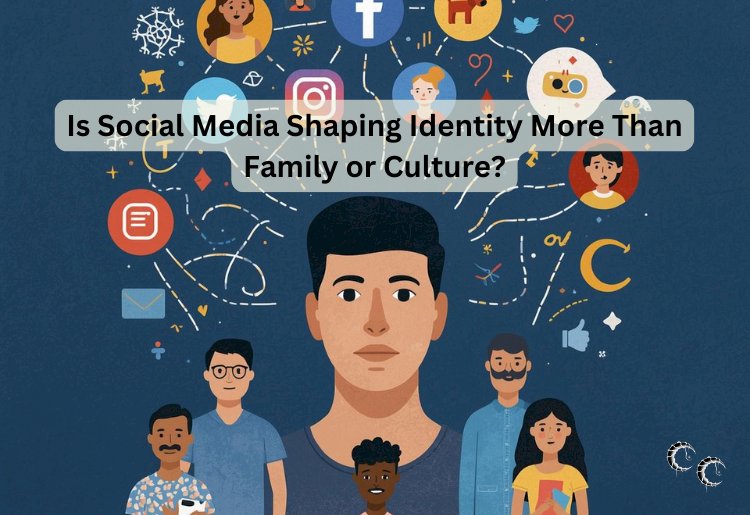
In recent years, social media has evolved from a simple means of online communication to a powerful space where people construct and perform their identities. Platforms such as Instagram, TikTok, and X offer users continuous opportunities to curate how they appear to the world, often influencing how they see themselves. This raises an important question: Is social media shaping identity more than family or culture? While traditional influences remain significant, the immediacy, reach, and interactive nature of social media suggest that it increasingly plays a dominant role in identity formation, particularly among younger generations.
Identity development has historically been rooted in the values, norms, and expectations passed down through family and culture. These influences tend to be consistent and deeply embedded, providing a sense of continuity across generations. Family environments often supply the first lessons about beliefs, language, and behavior. Similarly, cultural traditions guide individuals toward shared practices and community belonging. These foundations remain essential, yet they face growing competition from the adaptive and pervasive influence of digital spaces.
Social media differs from family and cultural influences in its speed and scale. Platforms update constantly, exposing individuals to new ideas, aesthetics, and social norms on a minute-by-minute basis. The algorithms behind these platforms amplify content that captures attention, meaning users often encounter identity-shaping messages that align with trends rather than tradition. This dynamic environment encourages individuals to modify their self-presentation in response to likes, shares, and comments, making identity more fluid and performative than ever before.
Another aspect of social media’s impact lies in the control it gives users over their self-image. Unlike family or culture, which may impose expectations, social media allows individuals to selectively display certain parts of themselves. This freedom can encourage creativity and exploration as people test different identities in a relatively low-risk environment. At the same time, the pressure to conform to digital trends can lead to identity fragmentation, as individuals try to maintain a version of themselves that aligns with online approval.
Despite its powerful influence, social media does not erase the role of family or culture. Instead, it intersects with them in complex ways. Many users bring cultural practices online, sharing traditions and stories that might otherwise remain localized. Families also increasingly participate together in digital spaces, sometimes strengthening generational bonds. Yet the sheer volume of competing voices on social media often challenges the stability of these traditional influences, especially for those still shaping their sense of self.
Ultimately, social media is becoming a more dominant force in identity formation because it integrates seamlessly into daily life and offers both visibility and validation. Family and culture provide crucial grounding, but social media offers a stage where identity is constantly negotiated and performed. Whether this shift is beneficial or concerning depends on how individuals navigate the tension between external validation and authentic self-understanding. As digital platforms continue to evolve, it will be important to consider how they influence not only how people present themselves, but also how they understand who they truly are.