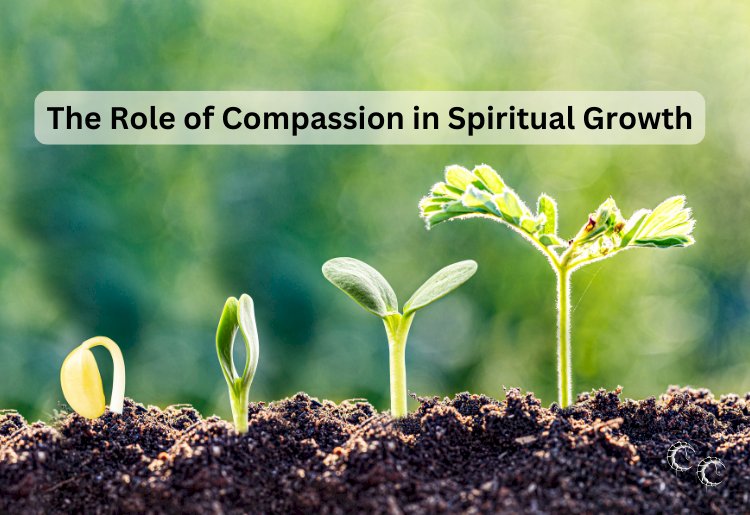
The Role of Compassion in Spiritual Growth
 Cordelia Cross
Sep 24, 2025 02:02
0
Cordelia Cross
Sep 24, 2025 02:02
0
Compassion is often described as kindness toward others, but its role in spiritual growth goes much deeper. At its core, compassion is the ability to recognize suffering and respond with understanding, care, and a genuine desire to help. When practiced consistently, compassion becomes a powerful force that shapes how we relate to ourselves, others, and the world around us.
Spiritual growth is not only about personal enlightenment or inner peace. It is also about how that inner awareness translates into action. Compassion bridges the gap between inner beliefs and outward behavior. When you cultivate compassion, you begin to see others not as separate or opposing forces, but as fellow travelers navigating their own challenges. This shift in perspective fosters humility and a sense of connection that is essential to spiritual development.
Compassion toward others encourages patience and empathy. It allows you to listen without judgment and respond without anger. These moments of understanding can soften emotional barriers and reduce conflict, creating space for deeper relationships. Spiritually, this openness helps dissolve ego driven reactions and replaces them with mindful responses rooted in awareness and care.
Equally important is compassion toward yourself. Many people approach spiritual growth with unrealistic expectations, harsh self criticism, or guilt over perceived shortcomings. Self compassion invites you to acknowledge your struggles without shame. By treating yourself with the same kindness you would offer a close friend, you create a supportive inner environment where growth feels safe and sustainable.
Compassion also strengthens resilience. When faced with hardship, a compassionate mindset allows you to meet difficulty with acceptance rather than resistance. This does not mean avoiding pain, but rather approaching it with understanding and grace. Over time, this approach builds emotional strength and deepens spiritual insight.
As compassion becomes a daily practice, it naturally influences choices, habits, and values. Acts of kindness feel less like obligations and more like expressions of who you are. Spiritual growth then becomes less about striving for perfection and more about living with intention and heart.
Ultimately, compassion is not just a byproduct of spiritual growth. It is one of its foundations. By nurturing compassion for yourself and others, you create a path that leads to deeper awareness, stronger connections, and a more meaningful spiritual life.