Dishonored's Hidden Art: Exploring the Game's Unsung Environmental Storytelling
 Cordelia Cross
Jan 23, 2026 12:35
0
Cordelia Cross
Jan 23, 2026 12:35
0
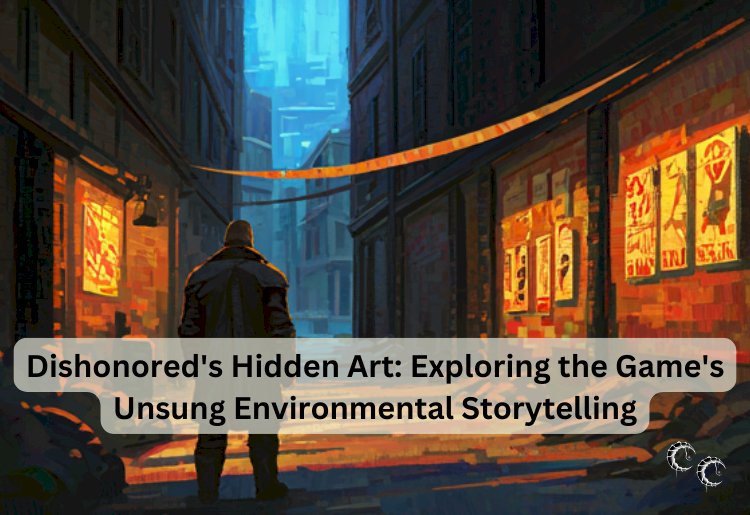
Dishonored is often praised for its stealth mechanics, moral choice system, and supernatural abilities, but one of its most powerful achievements unfolds quietly in the background. Dunwall tells its story not through exposition, but through walls, streets, and forgotten rooms. Every crumbling mansion, rusted factory, and discarded object contributes to a layered narrative about power, decay, and survival. The result is a world that feels inhabited, oppressed, and painfully real.
Dunwall as a Silent Narrator
Dunwall does not explain itself. Instead, it invites observation. The city’s architecture immediately establishes hierarchy and control. Grand aristocratic estates loom over narrow alleys and worker districts, their height and ornamentation reinforcing social dominance. As players move through these spaces, the contrast becomes unmistakable. Wealth is protected behind marble staircases and iron gates, while poverty rots in the shadows below.
The plague intensifies this divide. Barricaded doors, quarantine signs, and abandoned belongings show how quickly society fractures under pressure. These details do more than decorate the environment; they communicate fear, desperation, and neglect without a single spoken line.
Propaganda and the Language of Control
Posters plastered across Dunwall serve as a visual chorus of authority. Loyalist slogans promise safety while subtly threatening punishment. Wanted notices blur the line between justice and intimidation. As the city deteriorates, these messages remain intact, highlighting the regime’s obsession with image over reality.
The placement of propaganda is deliberate. Posters cluster near checkpoints and public squares, spaces where control must be reinforced. In contrast, plague ridden districts often display torn or defaced notices, suggesting resistance, apathy, or collapse. The city itself responds to power, reflecting how propaganda loses influence when survival becomes the priority.
Mansions That Tell Their Own Stories
Aristocratic mansions in Dishonored are museums of moral decay. At first glance, they appear pristine, filled with fine art, ornate furniture, and lavish dining halls. Closer inspection reveals locked rooms, hidden passages, and signs of paranoia. Safes are tucked behind paintings. Bedrooms contain hastily packed luggage. Servant quarters tell a different story entirely, marked by cramped spaces and personal items that hint at lives lived in quiet service.
As the game progresses, these spaces degrade further. Blood stains appear on once polished floors. Expensive decor sits beside evidence of desperation. The architecture itself becomes complicit in the story, exposing how privilege attempts to insulate itself from consequences and fails.
Industrial Spaces and Human Cost
Factories, distilleries, and slaughterhouses showcase another layer of Dunwall’s narrative. These environments emphasize labor, exploitation, and sacrifice. Machinery dominates human presence, reinforcing how individuals are reduced to tools within the empire’s economy.
Scattered notes, half eaten meals, and makeshift sleeping areas reveal exhaustion and fear. Workers do not need dialogue to explain their suffering; the environment speaks for them. Even the layout of these spaces reflects dehumanization, with repetitive structures and narrow paths guiding movement like assembly lines.
The Plague as Environmental Force
The rat plague is more than a plot device; it reshapes the city’s physical and emotional landscape. Swarms of rats, boarded windows, and improvised cremation sites illustrate how quickly normal life collapses. Entire districts feel abandoned, not because characters say so, but because the environment shows neglect in every corner.
Personal belongings left behind are particularly effective. Children’s toys in empty rooms, overturned furniture, and unfinished meals imply sudden departure or death. These small details create emotional weight, reminding players that the plague is not abstract, but deeply personal.
Architecture as Moral Reflection
Dishonored’s level design mirrors its moral system. Areas associated with order and control are rigid, symmetrical, and imposing. Chaotic or corrupted spaces feel labyrinthine, broken, and unstable. This visual language reinforces the consequences of violence and neglect.
As player choices influence chaos levels, the environment subtly shifts. Increased rat populations, darker lighting, and more aggressive enemy placements reflect a city responding to the player’s actions. The world does not judge openly; it reacts, making environmental storytelling an active participant in gameplay.
A World That Respects the Player
One of Dishonored’s greatest strengths is restraint. The game trusts players to notice details and draw conclusions. There is no forced explanation for why a room feels tragic or a street feels oppressive. Meaning emerges through observation, rewarding curiosity and patience.
This approach deepens immersion. Players are not just completing objectives; they are navigating a city with history, politics, and suffering embedded into its structure. Dunwall feels lived in because it was designed to be read, not explained.
Conclusion
Dishonored’s environmental storytelling is a masterclass in subtlety. Through architecture, objects, and decay, the game constructs a narrative of power, fear, and consequence that unfolds without demanding attention. Abandoned propaganda posters, collapsing mansions, and plague scarred streets quietly reveal the truth of Dunwall’s oppressive regime and the human cost beneath it.
This hidden artistry transforms Dishonored from a stealth game into a lived experience. The city itself becomes a storyteller, proving that some of the most powerful narratives are the ones whispered through space, silence, and detail rather than spoken aloud.