The Psychology of Loot: Why Random Drops Keep Us Hooked
 Cordelia Cross
Feb 19, 2026 03:21
0
Cordelia Cross
Feb 19, 2026 03:21
0
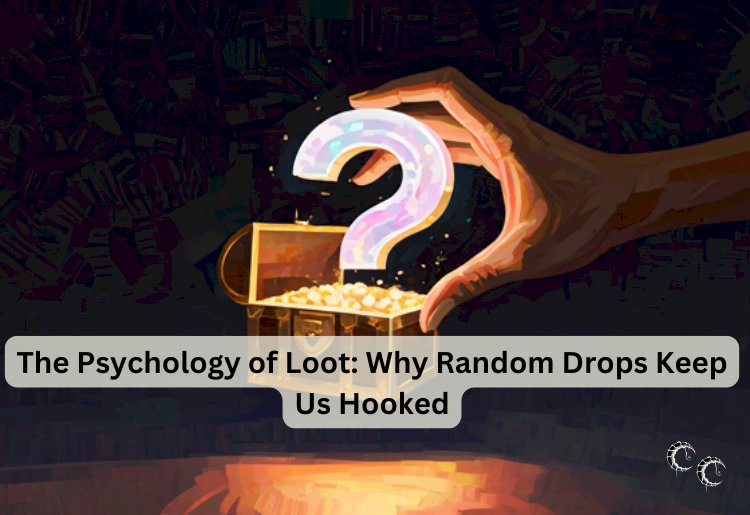
Few moments in gaming feel as electric as the glow of a rare drop. The boss falls. The chest opens. A beam of color shoots into the sky. For a split second, your brain lights up with possibility.
Will it be common junk or the legendary item you have been chasing for weeks?
Random loot drops are not just game mechanics. They are carefully tuned psychological engines. And they are incredibly effective.
Let’s break down why.
The Power of Variable Rewards
At the core of loot systems is a principle known as variable ratio reinforcement. This is the same psychological mechanism that powers slot machines.
Instead of rewarding players every time they perform an action, games reward them unpredictably. You might defeat ten enemies and get nothing special. On the eleventh, you get something amazing.
This unpredictability creates anticipation. Your brain releases dopamine not just when you receive the reward, but when you think you might.
Games like Diablo III perfected this formula. The constant flow of enemies and the steady chance of high rarity gear keeps players engaged far longer than guaranteed rewards would.
When rewards are predictable, motivation fades. When rewards are uncertain, engagement spikes.
The Near Miss Effect
Ever opened a chest and received something almost perfect? The right item, but the wrong stat roll. The right rarity, but not quite the best version.
That almost feeling is powerful. Psychologists call this the near miss effect.
Games like Borderlands 2 lean heavily into this by layering randomness. Weapon type, elemental damage, stat modifiers, rarity tiers. Even when you get something good, you can imagine something slightly better.
That mental comparison keeps the chase alive.
Scarcity Creates Value
Not all loot is equal. Rarity colors, drop rates, and limited availability create artificial scarcity.
When a mount drops at a one percent rate in World of Warcraft, its value skyrockets. Not because it is mechanically superior, but because it is rare.
Scarcity activates social psychology. Rare items signal status. They show effort, luck, or dedication. That visibility increases motivation to keep grinding.
The reward is not just power. It is recognition.
The Collection Instinct
Humans love completing sets. From trading cards to achievements, there is deep satisfaction in filling empty slots.
Loot systems tap into this instinct through:
• Item collections
• Gear sets with bonuses
• Cosmetic unlocks
• Mount and pet libraries
Games like Destiny 2 use collections and triumph systems to encourage continued engagement even after core progression is complete.
The drop is not just about strength. It is about completion.
Effort Justification
The harder something is to obtain, the more we value it.
If you spend twenty hours farming a raid boss, the eventual drop feels monumental. Even if the actual gameplay benefit is small, the time invested increases emotional attachment.
This is called effort justification. The grind becomes part of the story.
Players often remember where they were when a rare item dropped. Who they were playing with. How many attempts it took. The item becomes a memory anchor.
Social Reinforcement
Loot systems are rarely isolated. They exist inside communities.
When a rare item drops and your teammates react with excitement, that social feedback amplifies the reward. Screenshots get shared. Clips get posted. Achievements are celebrated.
The reward becomes communal.
In multiplayer games, this shared excitement can be as powerful as the item itself.
The Illusion of Control
Even when drops are random, games often introduce systems that make players feel some degree of control.
• Increased drop chances after repeated attempts
• Crafting systems that allow rerolls
• Luck stats
• Pity timers that guarantee rewards after enough failures
These mechanics balance frustration with hope. Pure randomness can feel unfair. Controlled randomness feels engaging.
The key is maintaining belief that persistence will pay off.
When the System Goes Too Far
While loot systems are compelling, they can also cross into unhealthy territory.
Overly aggressive randomness, predatory monetization, or exploitative design can turn engagement into compulsion. The difference lies in transparency, fairness, and player respect.
The most beloved loot systems reward time and skill. The most criticized ones rely heavily on artificial frustration or paywalls.
Design matters.
Why We Keep Coming Back
Random drops combine anticipation, scarcity, effort, social validation, and completion psychology into one tight loop.
You fight.
You hope.
You open.
You react.
You repeat.
That loop is simple, but it is powerful.
Final Thoughts
Loot is not just about gear. It is about possibility.
The glow of a rare drop represents potential. It represents progress. It represents the idea that the next run might be the one.
As long as games continue to balance randomness with fairness, loot systems will remain one of the most compelling mechanics in interactive design.
Because deep down, we all love the moment before the chest opens.