The Art of Solo Progression: Mastering End-Game Content Independently
 Cordelia Cross
Mar 5, 2026 05:29
0
Cordelia Cross
Mar 5, 2026 05:29
0
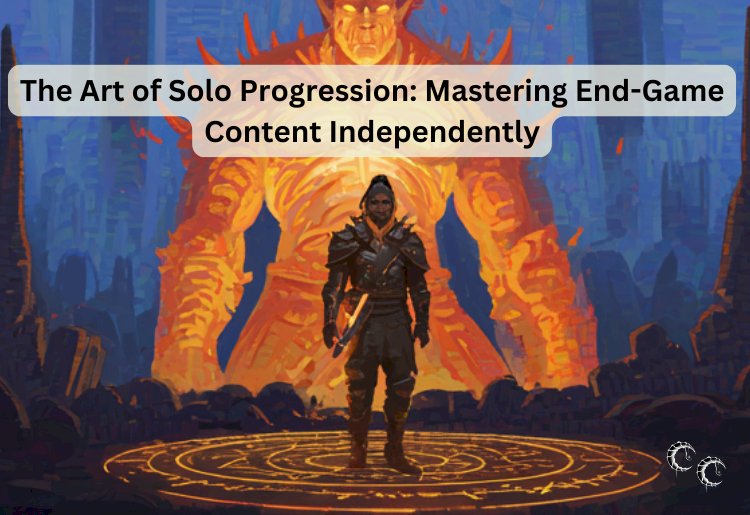
Redefining End Game on Your Terms
Massively multiplayer games are built around cooperation, shared raids, and coordinated victories. End game systems are often designed with multiple roles in mind, distributing responsibility across tanks, damage dealers, and support players. Choosing to tackle that content alone challenges the very structure of those encounters. Solo progression transforms group oriented design into a personal proving ground where preparation and execution replace reliance on teammates.
For independent players, success is not about rejecting community. It is about mastering systems deeply enough to stand alone within them. Every mechanic must be understood. Every weakness must be covered. Every decision carries weight because there is no one else to compensate for mistakes.
Building for Self Sufficiency
Solo end game success begins long before entering an encounter. Character builds must prioritize versatility over specialization. In group settings, players can focus narrowly on damage or defense. Solo players must blend survivability, sustain, and consistent output into a cohesive strategy.
Balanced builds often emphasize reliable self healing, layered defenses, and efficient resource regeneration. Burst damage is valuable, but sustainability is essential. Long fights require careful pacing. Running out of energy, mana, or stamina at the wrong moment can undo minutes of flawless performance.
Consumables also become critical tools rather than optional enhancements. Potions, temporary buffs, and cooldown reductions must be mapped to specific phases of an encounter. Independent progression demands that every resource has a purpose and a plan.
Mechanical Mastery and Pattern Recognition
Group encounters assume shared awareness. Solo players must internalize every pattern alone. This means studying attack rotations, memorizing timing windows, and anticipating environmental hazards before they occur.
Anticipation is more powerful than reaction. When a player understands the rhythm of a boss encounter, movement becomes proactive rather than desperate. Positioning before danger emerges reduces incoming damage more effectively than scrambling afterward.
Movement often becomes the primary defensive tool. Without a dedicated tank to absorb pressure, spacing and footwork carry enormous importance. Kiting enemies, maintaining safe angles, and avoiding overlapping mechanics require constant focus.
Controlled aggression defines the solo mindset. It is tempting to maximize damage during every opportunity, but overextension often leads to failure. Knowing when to disengage preserves health and resources for later phases. Patience frequently outweighs raw power.
The Psychological Edge
Independent progression tests mental endurance as much as mechanical skill. Solo attempts can stretch longer than group clears because there is no shared damage output or backup recovery. Focus must remain sharp for extended periods.
Failure is inevitable during the learning process. What separates successful solo players from frustrated ones is perspective. Each unsuccessful attempt reveals new information. Adjustments become incremental improvements rather than emotional setbacks.
Resilience, discipline, and analytical thinking form the psychological backbone of solo mastery. The player must remain calm under pressure and objective after defeat. Emotional control prevents reckless decisions that sabotage progress.
Strategic Creativity
Games often contain hidden advantages for players who look beyond standard strategies. Independent progression rewards creativity. Terrain can provide protection. Timing gaps between enemy abilities can open unexpected damage windows. Adjusting gear or abilities to counter specific mechanics may create opportunities others overlook.
Because solo players cannot rely on coordinated team mechanics, they must exploit system knowledge to its fullest extent. Innovation becomes a competitive advantage. Observational awareness becomes a survival tool.
Redefining Achievement
Clearing end game content alone offers a distinct form of satisfaction. There is no shared credit and no diluted responsibility. Victory belongs entirely to the individual.
This path cultivates confidence and deep system knowledge. It sharpens decision making under pressure and reinforces disciplined preparation. Independent progression transforms difficult encounters into personal milestones that reflect skill, patience, and adaptability.
Massively multiplayer worlds may be designed for many, but mastery remains personal. Solo progression proves that even within shared environments, excellence is forged through individual commitment. The toughest challenges can be conquered alone when preparation, precision, and perseverance align.