The History of Masquerade Masks
 Cordelia Cross
Sep 13, 2025 12:15
0
Cordelia Cross
Sep 13, 2025 12:15
0
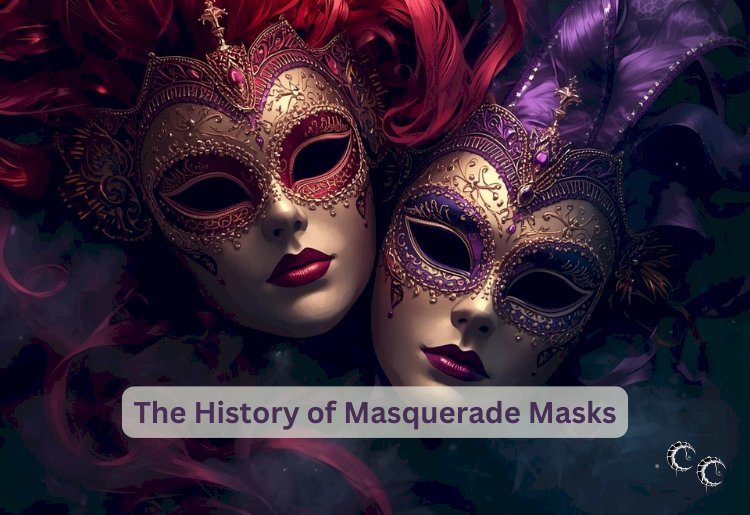
Masquerade masks have long captured the imagination with their elegance, mystery, and artistry. These decorative masks are not just costume accessories—they carry a rich history spanning centuries and cultures, reflecting societal norms, artistic trends, and human fascination with disguise and identity.
Origins in Ancient Traditions
The tradition of wearing masks dates back thousands of years. In ancient civilizations such as Egypt, Greece, and Rome, masks were used in religious ceremonies, theatrical performances, and festivals. In these early societies, masks often represented gods, spirits, or mythical figures and were believed to hold spiritual or transformative power.
The Rise of the Venetian Masquerade
Masquerade masks became most iconic during the Renaissance in Venice, Italy. Venetian masks were an essential part of the elaborate Carnevale di Venezia, a festival celebrating indulgence, creativity, and freedom. These masks allowed people of different social classes to interact without the constraints of hierarchy, creating an atmosphere of anonymity and intrigue. Popular Venetian styles included the Bauta, which covered the entire face, and the Columbina, a half-mask that highlighted the eyes and allowed for easier conversation.
Symbolism and Social Function
Masquerade masks were not only decorative—they were symbolic. They represented freedom from societal norms, a chance to explore different identities, and a playful approach to social interaction. In addition, masks allowed people to express emotions, humor, or satire that might be inappropriate in public when unmasked. Over time, they became a tool for self-expression, political commentary, and artistic experimentation.
Masquerade Masks in Theater and Art
Beyond festivals, masks played a key role in theatrical traditions such as Commedia dell’arte in Italy. Characters like Harlequin and Pantalone were instantly recognizable by their distinctive masks, which conveyed personality traits and social roles. Artists and craftsmen developed increasingly elaborate designs, incorporating gold leaf, feathers, and intricate patterns, making the masks both functional and highly decorative.
Modern Masquerades and Cultural Influence
Today, masquerade masks continue to captivate, appearing in balls, costume parties, and popular culture. They evoke mystery, glamour, and theatricality, drawing inspiration from historical designs while incorporating contemporary styles. Masquerade masks have influenced fashion, film, and even interior design, demonstrating their lasting appeal and versatility.
Conclusion
The history of masquerade masks is a journey through culture, art, and human imagination. From ancient rituals to Venetian balls and modern celebrations, these masks symbolize transformation, creativity, and the timeless fascination with hidden identities. Wearing a masquerade mask is more than a fashion statement—it is a connection to centuries of tradition and the enduring magic of mystery.