The Journey of a Writer: From Idea to Published Work
 Cordelia Cross
Mar 3, 2026 04:55
0
Cordelia Cross
Mar 3, 2026 04:55
0
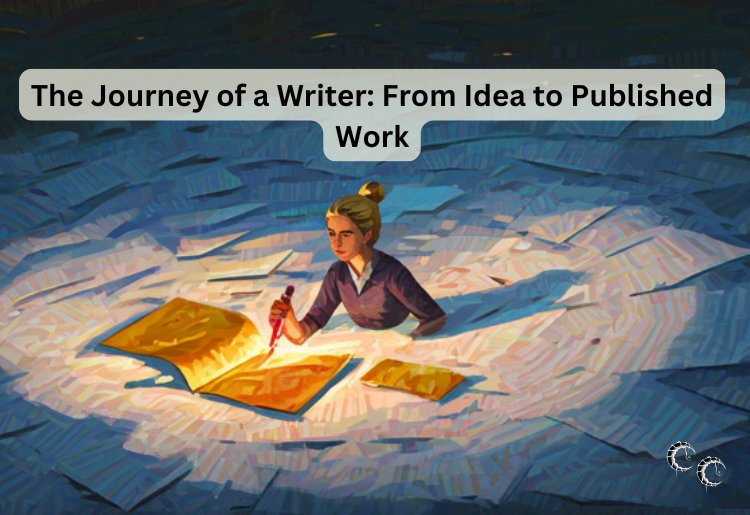
Where Ideas Begin
Every piece of writing begins with a spark. Sometimes it arrives as a clear concept, other times it appears as a vague question, an image, or a single sentence that refuses to leave the mind. Writers often collect these fragments quietly over time. A conversation overheard in a café, a personal memory, or a curious observation about the world can all become seeds for a larger story or article.
At this stage the goal is not perfection. The goal is exploration. Writers capture ideas in notebooks, digital notes, or voice memos, allowing imagination to expand freely without worrying about structure or polish.
Shaping The Concept
Once an idea begins to grow, the writer moves into a more deliberate phase. This is where the concept takes form. Questions begin to guide the process.
What is the central message
Who is the audience
What emotions or insights should the piece deliver
For nonfiction, this stage often involves research and fact gathering. For fiction, it may involve developing characters, setting, and plot direction. Regardless of genre, the writer begins building a foundation that supports the final work.
The First Draft
The first draft is where the idea finally becomes real on the page. It is rarely smooth or perfect. In fact, many writers expect the first draft to be messy. Its purpose is not to impress readers but to capture the full shape of the story or argument.
During drafting, momentum matters more than precision. Writers push forward, focusing on getting the complete work written rather than stopping constantly to revise small details. The structure may shift, sections may expand or shrink, and unexpected ideas may appear.
This stage transforms possibility into substance.
Revision And Refinement
After the first draft comes the most demanding stage of the writing journey. Revision.
Here the writer becomes both creator and critic. Sentences are tightened. Weak arguments are strengthened. Characters gain depth. Paragraphs are rearranged for clarity and flow.
Often this process requires several passes. One round may focus on structure. Another may refine language. A final pass may polish grammar and rhythm. Many writers also seek feedback from editors, peers, or trusted readers during this stage.
Revision is where raw material becomes a finished work.
Preparing For Publication
Once the writing reaches a polished state, the next step is preparing it for the world. Depending on the path chosen, this process can take different forms.
Some writers pursue traditional publishing through literary agents and publishing houses. Others choose independent publishing platforms or online media outlets. Each path requires formatting the work properly, crafting submission materials, and sometimes building a personal platform to connect with readers.
The transition from private creation to public sharing can feel intimidating, but it is also the moment when writing fulfills its purpose.
The Moment Of Publication
Publication marks the end of one journey and the beginning of another. When a piece finally reaches readers, it enters conversations the writer may never witness directly. People interpret it, respond to it, and carry its ideas into their own lives.
For many writers, this moment brings both pride and vulnerability. Words that once existed only in a notebook now belong to the wider world.
The Cycle Continues
The journey of a writer does not end with one published work. Each project teaches new lessons about creativity, discipline, and communication. Those lessons feed the next idea, and the cycle begins again.
Over time writers develop stronger instincts, clearer voices, and deeper confidence in their craft. Yet the essential process remains the same. An idea appears. It grows through patience and effort. Eventually it finds its way onto the page and out into the world where it can connect with others.
That quiet transformation from thought to published work is the enduring adventure of writing.