How to Cluster Diverse Products into Three High-Performing TikTok Content Pillars
 Cordelia Cross
May 9, 2026 06:25
0
Cordelia Cross
May 9, 2026 06:25
0
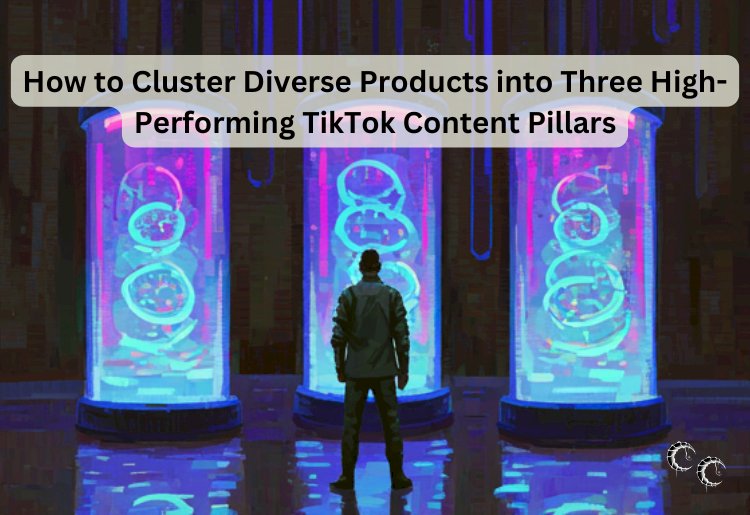
Small businesses with diverse product catalogs often run into the same problem on TikTok. Too many products, too many categories, and no clear narrative structure to hold everything together. The result is fragmented content that feels inconsistent, even when individual posts perform well. Without a unifying system, attention gets scattered and brand identity weakens over time.
The solution is not to simplify the inventory itself, but to simplify how it is expressed. Instead of trying to showcase everything equally, high performing TikTok strategies rely on clustering products into a small number of repeatable content pillars. These pillars act as narrative containers that organize complexity into clear, recognizable formats.
The goal is not just organization. It is momentum. When content is structured around consistent themes, audiences learn what to expect, algorithms learn how to categorize the content, and performance becomes more predictable over time.
The first step is removing product level thinking from the content strategy. Individual items rarely sustain attention on their own unless they are already strongly differentiated or trend aligned. What performs better is grouping products into emotional or functional categories that tell a story.
A common approach is to build pillars around use case, identity, or transformation. Instead of showing isolated products, the focus shifts to what those products enable. This reframing turns a catalog into a set of experiences rather than a list of items.
The first pillar is often centered around problem solving. This is where products are framed as solutions to specific frustrations or needs. Content in this category tends to perform well because it connects directly with intent driven viewers. It answers a question or resolves a tension, even within short form content. The emphasis is on clarity and relevance rather than aesthetic complexity.
The second pillar typically focuses on lifestyle or identity alignment. This is where products are grouped into a broader narrative about who the customer becomes when they use them. Instead of highlighting features, the content emphasizes outcomes, mood, or self perception. This pillar is less about immediate problem solving and more about emotional resonance. It builds familiarity and desire over time.
The third pillar is often built around entertainment or process. This includes behind the scenes content, assembly, testing, comparisons, or visually engaging demonstrations. This category is where high engagement often originates because it prioritizes curiosity and visual satisfaction. While it may not always convert directly, it plays a critical role in feeding the top of the funnel.
When these three pillars are used together, they create a balanced content ecosystem. Problem solving content captures intent. Identity content builds connection. Process content drives engagement and visibility. Each pillar serves a different stage of attention, but all support the same underlying brand narrative.
The key advantage of this structure is repeatability. Instead of constantly inventing new content ideas for every product, businesses can rotate products through established formats. This reduces creative friction and increases consistency, both of which are essential for algorithmic recognition and audience retention.
Clustering products also helps eliminate visual and thematic noise. When every product tries to compete for equal attention, nothing stands out. But when products are assigned roles within a pillar system, each one contributes to a larger story. This makes even smaller or less visually striking items feel more meaningful within context.
Another important effect is improved audience expectation. When viewers repeatedly encounter similar types of content, they begin to understand what the brand represents. This familiarity increases watch time, improves engagement quality, and strengthens conversion likelihood over time. Predictability in structure creates comfort, and comfort builds trust.
From a performance standpoint, this system also improves data clarity. Instead of analyzing scattered product performance across unrelated posts, businesses can evaluate which pillar is driving the strongest engagement and conversion signals. This allows for more strategic allocation of creative effort and advertising support.
High performing TikTok accounts rarely succeed by showcasing everything equally. They succeed by narrowing expression while maintaining breadth behind the scenes. The illusion of simplicity on the surface is usually supported by structured complexity underneath.
Ultimately, clustering products into three content pillars is not about limiting creativity. It is about channeling it. It turns a fragmented catalog into a cohesive narrative system where every product has a role, every post has a purpose, and every piece of content contributes to a larger growth architecture.