Cultivating Calm and Concentration: Practical, Screen Free Ideas for Busy Homes
 Cordelia Cross
Jul 16, 2026 11:59
0
Cordelia Cross
Jul 16, 2026 11:59
0
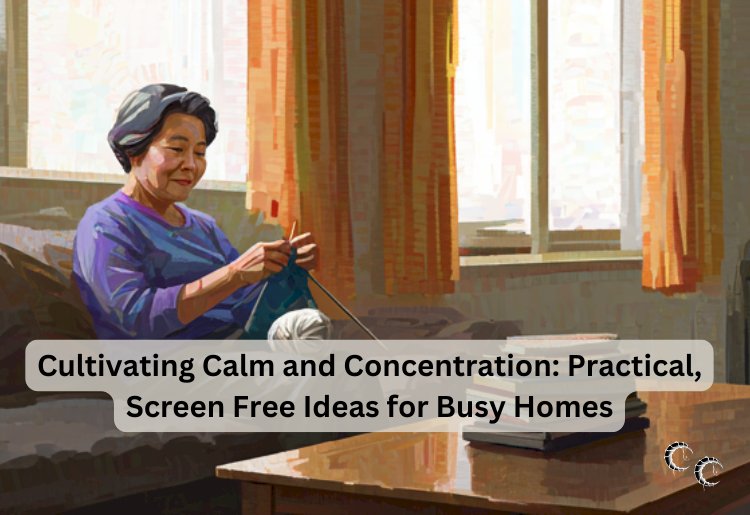
Modern homes are filled with constant stimulation. Notifications, videos, messages, and endless streams of information compete for attention from the moment the day begins. While technology has created incredible convenience, it has also made quiet moments harder to find.
For busy families, creating a calmer environment does not require completely removing technology or changing everything about daily life. Often, the biggest improvements come from small habits that create space for focus, creativity, and connection.
A calm home is not necessarily a silent home. It is a space where people can slow down, think clearly, and recharge without always needing another source of entertainment.
Create Simple Quiet Zones
One of the easiest ways to encourage calm is to create areas dedicated to slower activities. This does not require a large room or expensive furniture. A small corner with books, puzzles, art supplies, or comfortable seating can become a place where the mind naturally shifts into a more focused state.
The purpose of these spaces is not to eliminate activity, but to provide a break from constant stimulation. When people have an intentional place to pause, they are more likely to choose quiet activities instead of automatically reaching for a screen.
Build Small Daily Rituals
Consistency creates comfort. Small routines repeated each day can help signal that it is time to slow down and focus.
This could be a morning reading habit, an evening conversation around the table, or a few minutes spent writing down thoughts before bed. These moments may seem simple, but they create predictable points of calm in an otherwise busy schedule.
The power comes from repetition. A small ritual practiced regularly becomes an anchor that helps the entire household transition between different parts of the day.
Encourage Hands On Activities
Hands on activities engage the brain in a different way than passive screen consumption. Building, drawing, cooking, gardening, and crafting all require attention and problem solving while creating a sense of accomplishment.
These activities are especially valuable because they provide visible progress. Completing a puzzle, preparing a meal, or finishing a small project creates a natural reward that does not depend on digital feedback.
The goal is not to fill every moment with productivity. Sometimes the value comes from simply being involved in the process.
Practice Mindful Transitions
Many stressful moments happen during transitions. Moving from work to home, school to evening activities, or one task to another can leave people feeling mentally scattered.
Creating a short transition ritual helps the brain reset. This could mean taking a walk after work, spending a few quiet minutes preparing dinner, or simply sitting together before starting the next activity.
These pauses prevent the feeling of constantly rushing from one thing to the next.
Make Reading Part of the Routine
Reading is one of the simplest ways to build concentration. Unlike many forms of entertainment, reading requires active participation. The brain must imagine scenes, follow ideas, and maintain attention over time.
For families, shared reading creates connection while also modeling focus. Children who see adults enjoying books are more likely to develop positive associations with reading themselves.
Even a few pages each day can create a meaningful habit.
Use Nature as a Reset Button
Time outdoors provides a natural break from digital overload. Walking, gardening, exploring, or simply sitting outside can help create a sense of calm that is difficult to replicate indoors.
Nature encourages slower observation. People begin noticing sounds, textures, movement, and details that are often overlooked during busy days.
Outdoor time does not need to be an elaborate adventure. A short walk around the neighborhood can provide many of the same mental benefits.
Encourage Boredom
Boredom has developed a negative reputation, but it plays an important role in creativity. When every empty moment is immediately filled with entertainment, the brain loses opportunities to wander and create.
Allowing children and adults to experience boredom creates space for imagination. Many creative ideas begin during moments when there is nothing demanding attention.
A quiet afternoon can sometimes lead to more meaningful activity than a fully scheduled day.
Create Technology Boundaries That Feel Realistic
A calmer home does not require unrealistic rules. Completely eliminating screens may not be practical for many households. The focus should instead be on creating intentional boundaries.
Designated screen free meals, device free mornings, or technology breaks before bed can help restore balance without making technology feel like the enemy.
The goal is not restriction. It is awareness.
Focus on Connection Over Entertainment
Many families feel pressure to constantly provide activities, but some of the most meaningful moments come from simple interaction.
Talking during dinner, sharing stories, playing a board game, or working on a project together can create stronger connections than planned entertainment.
A calm home is often built through ordinary moments that allow people to be present with each other.
Final Thoughts
Creating calm and concentration in a busy home is not about achieving perfect silence or removing every distraction. It is about designing moments where attention can settle and people can reconnect with themselves and each other.
Small habits like reading, spending time outdoors, creating quiet spaces, and building simple routines can have a powerful effect over time.
In a world that constantly encourages faster, louder, and more connected living, choosing moments of stillness is a meaningful way to restore balance. A calmer home does not happen all at once. It grows through small choices made every day.