The Psychological Depths of Majora’s Mask
 Cordelia Cross
Dec 22, 2025 07:55
0
Cordelia Cross
Dec 22, 2025 07:55
0
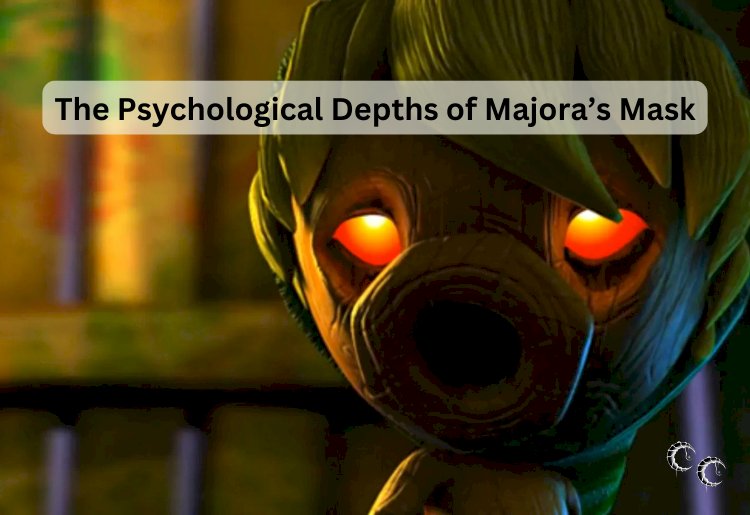
The Legend of Zelda: Majora’s Mask is widely recognized for its darker tone, complex narrative, and unsettling atmosphere, setting it apart from many other entries in the Zelda series. Beyond its surface gameplay mechanics and time-based challenges, the game explores profound psychological themes that resonate deeply with players. At its core, Majora’s Mask is a meditation on loss, grief, and existential anxiety, using its narrative and mechanics to immerse players in the fragility and impermanence of life.
One of the most striking psychological elements in Majora’s Mask is its exploration of grief and personal loss. Each character in the game appears to be struggling with some form of sorrow, whether it is the loneliness of the Romani Ranch children, the anxiety of the troubled Bombers, or the masked entities embodying their pain. The player, taking the role of Link, witnesses and interacts with these fragmented emotional states, often having to resolve minor crises within a limited time frame. This structure mirrors real-life coping mechanisms for grief, where individuals must navigate their emotions while managing daily responsibilities and external pressures. The cyclical three-day timer reinforces the inevitability of time passing, echoing the persistent nature of grief.
Closely tied to grief is the theme of existentialism. The game’s central conflict—the impending fall of the moon—is a stark metaphor for mortality and the looming uncertainty of life. Players experience a constant tension between action and inevitability, as no matter how much effort they exert, the ultimate cycle resets. This mirrors existentialist ideas of confronting an absurd world where outcomes may be beyond one’s control. Characters often confront their fears and regrets directly, forcing players to reflect on their own anxieties and the ephemeral nature of existence. The masks themselves can be seen as symbols of the personas people adopt to cope with existential fears, concealing pain while projecting other identities.
Majora’s Mask also addresses the psychology of identity and transformation. Many side quests revolve around understanding characters’ hidden struggles and helping them reconcile with parts of themselves they suppress. The transformation masks that Link uses—such as Deku, Goron, and Zora—allow him to inhabit other forms, encouraging players to step into different perspectives. This mechanic illustrates empathy and the psychological process of seeing the world through another’s lens, highlighting how identity is fluid and multifaceted.
Finally, the game’s atmosphere and musical score amplify its psychological impact. The eerie, melancholic tones of the music, combined with the surreal, distorted environments of Termina, evoke feelings of unease, urgency, and introspection. This sensory experience reinforces the emotional weight of the narrative, making players confront the uncomfortable truths about mortality, loss, and the transient nature of life.
In conclusion, Majora’s Mask is more than a unique gameplay experience; it is a deep psychological exploration of grief, existential anxiety, and identity. By immersing players in a world where time is fleeting, loss is constant, and identity is malleable, the game challenges them to reflect on their own emotional and existential realities. Its enduring appeal lies in this ability to intertwine gameplay and psychological insight, creating a narrative that resonates on both an intellectual and emotional level.