Herbal Gardening for Beginners Nourishing Your Body with Homegrown Natural Superfoods
 Cordelia Cross
Feb 25, 2026 03:52
0
Cordelia Cross
Feb 25, 2026 03:52
0
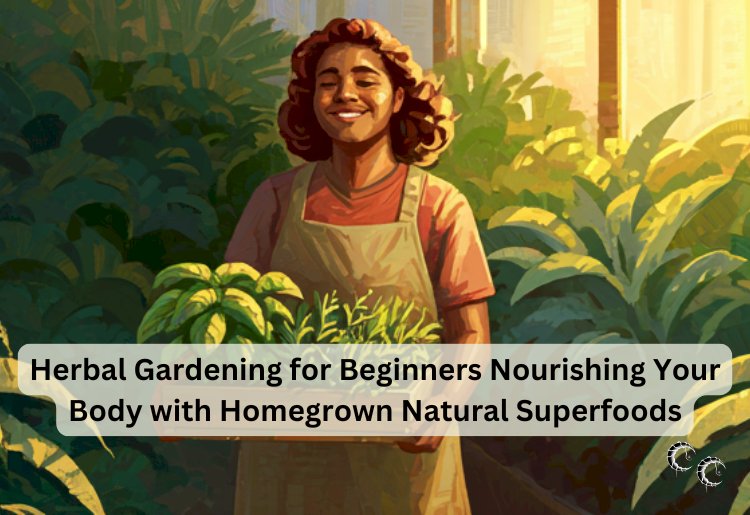
If you have ever spent hours grinding for resources in a favorite game, you already understand the rhythm of patience, investment, and reward. Herbal gardening is not so different. Instead of pixelated loot, you harvest fragrant leaves rich in antioxidants, essential oils, and micronutrients.
You are not farming XP. You are farming vitality.
Let us turn a small patch of soil, balcony planter, or sunny windowsill into a living apothecary.
Why Grow Your Own Herbs
Herbs are among the easiest and most rewarding plants for beginners. They grow quickly, require minimal space, and deliver powerful nutritional and medicinal benefits.
When harvested fresh, herbs often contain higher concentrations of volatile oils and phytonutrients than store bought dried versions. Growing them yourself ensures:
• Maximum freshness
• No pesticide residues
• Greater flavor intensity
• A deeper connection to what you consume
Herbal gardening transforms quiet corners into productive ecosystems that nourish both body and mind.
Start with the Right Superfoods
For beginners, resilience matters. Choose herbs that thrive in varied conditions and offer significant health benefits.
Basil: The Aromatic Antioxidant
Ocimum basilicum is more than a pasta companion. Sweet basil contains compounds like eugenol and rosmarinic acid, which have antioxidant and anti inflammatory properties.
Growing tips:
• Needs at least 6 hours of sunlight
• Prefers well draining soil
• Pinch off flower buds to encourage leafy growth
• Water consistently but avoid waterlogged roots
Regular harvesting actually stimulates fuller, bushier plants. Think of it as leveling up your yield.
Rosemary: The Resilient Defender
Salvia rosmarinus thrives where other plants struggle. Its needle like leaves contain carnosic acid and rosmarinic acid, compounds linked to cognitive support and immune health.
Growing tips:
• Prefers full sun
• Requires excellent drainage
• Tolerates dry conditions once established
• Avoid overwatering
Rosemary’s woody structure makes it long lasting, often surviving for years with proper care. It is the tank class of your herbal garden.
Mint: The Vigorous Revitalizer
Mentha is beginner friendly and fast growing. Rich in menthol, mint supports digestion and adds refreshing flavor to teas and meals.
Growing tips:
• Thrives in partial to full sun
• Keep soil consistently moist
• Best grown in containers to prevent spreading
Mint rewards consistent trimming with even more growth.
Thyme: The Compact Powerhouse
Thymus vulgaris offers antimicrobial and antioxidant compounds such as thymol.
Growing tips:
• Loves bright light
• Prefers sandy, well draining soil
• Requires minimal watering once established
Its small leaves pack dense flavor and medicinal potential in a compact footprint.
Soil, Sunlight, and Setup
Herbs do not demand elaborate infrastructure.
Containers
Choose pots with drainage holes. Terra cotta helps prevent overwatering by allowing moisture to evaporate through the sides.
Soil
Use a high quality potting mix. Avoid heavy garden soil in containers, as it compacts and restricts roots.
Light
Most culinary herbs prefer 6 to 8 hours of sunlight daily. A south facing window or balcony works well. If natural light is limited, a simple grow light can supplement.
Watering
The most common beginner mistake is overwatering. Herbs generally prefer soil that dries slightly between watering sessions. Always check the top inch of soil before adding more water.
Harvesting for Maximum Nutrient Density
The timing of harvest affects potency.
• Harvest in the morning after dew evaporates but before peak heat
• Trim regularly to stimulate new growth
• Use sharp scissors to avoid crushing stems
Fresh herbs can be used immediately, air dried for later, or frozen in olive oil cubes for convenient cooking portions.
From Garden to Table
Homegrown herbs elevate everyday meals into nutrient dense dishes.
• Add basil to salads and sauces for antioxidant support
• Infuse rosemary into roasted vegetables or olive oil
• Brew mint or thyme tea for digestive and immune benefits
You are not simply seasoning food. You are integrating plant based phytonutrients directly into your routine.
The Mental and Physical Shift
Transitioning from digital harvesting to soil cultivation offers more than nutrition. Gardening reduces stress, increases time outdoors, and improves mindfulness.
Tending plants trains patience. Observing growth builds awareness. Harvesting your own food restores a sense of agency often missing from modern consumption.
Your quiet corner becomes a living system.
Final Thoughts
Herbal gardening proves that true vitality begins with simple, consistent cultivation. You do not need acres of land or advanced skills. A few pots, sunlight, and curiosity are enough.
Basil, rosemary, mint, and thyme are more than herbs. They are gateways to a healthier relationship with food and nature.
Trade digital grinding for soil under your nails. Replace virtual loot with fragrant harvests.
The reward is not pixels.
It is nourishment.