Bone Health Isn’t Just for Older Adults
 Cordelia Cross
Nov 2, 2025 03:48
0
Cordelia Cross
Nov 2, 2025 03:48
0
Many people associate strong bones with aging, thinking that bone health only matters once you reach your golden years. In reality, caring for your bones should start early, and maintaining them throughout life can prevent fractures, osteoporosis, and other long-term health issues.
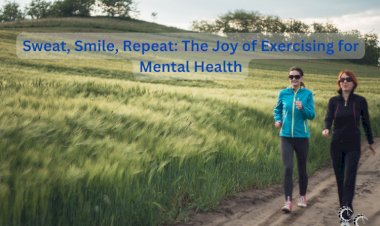
Weight-bearing exercises are essential for building and maintaining bone strength. Activities like walking, jogging, dancing, and resistance training stimulate bone growth and increase density. Even simple routines like bodyweight exercises or climbing stairs can contribute to stronger bones over time.
Nutrition plays a crucial role in bone health. Adequate calcium intake from dairy products, leafy greens, or fortified alternatives supports bone structure. Vitamin D is equally important because it helps your body absorb calcium efficiently. Spending time outdoors for sunlight exposure and including foods like fatty fish or fortified milk can boost your vitamin D levels.
Maintaining a healthy lifestyle also protects your bones. Avoiding smoking and excessive alcohol consumption reduces the risk of bone density loss. Managing body weight is important too, as being underweight or overweight can put added stress on your bones and joints.
Bone health is a lifelong investment. Even young adults benefit from establishing strong bone habits, as peak bone mass is typically achieved in your 20s. For older adults, continuing to prioritize exercise and nutrition helps maintain strength and prevent injuries.
Incorporating these practices into daily life not only strengthens your bones but also supports overall wellness. Strong bones provide a foundation for mobility, independence, and an active lifestyle, proving that bone health is important at every age.