The Connection Between Sleep and Mental Health
 Cordelia Cross
Sep 21, 2025 02:20
0
Cordelia Cross
Sep 21, 2025 02:20
0
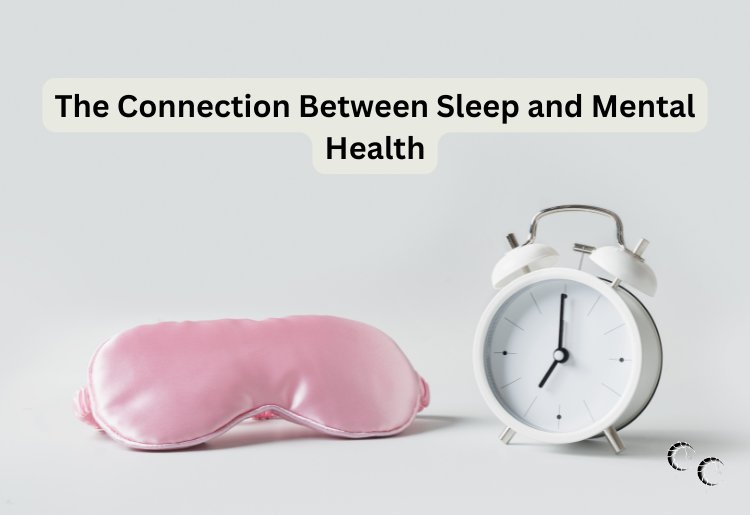
Sleep and mental health are deeply connected, each influencing the other in powerful ways. When sleep is consistent and restorative, the mind is better equipped to handle stress, regulate emotions, and process daily experiences. When sleep is disrupted or insufficient, mental well being often suffers.
During sleep, the brain performs essential maintenance. It processes emotions, consolidates memories, and clears out stress related chemicals that build up throughout the day. Quality sleep helps stabilize mood and supports clear thinking. Without it, even small challenges can feel overwhelming.
Lack of sleep is closely linked to mental health conditions such as anxiety and depression. Poor sleep can intensify negative thought patterns, increase irritability, and reduce emotional resilience. At the same time, mental health struggles can make it harder to fall or stay asleep, creating a cycle that is difficult to break without intentional care.
Sleep also plays a key role in emotional regulation. When you are well rested, it is easier to manage reactions and respond calmly to situations. Sleep deprivation, on the other hand, can lower patience and increase sensitivity to stress. Over time, this can strain relationships and lower overall quality of life.
Establishing healthy sleep habits can have a positive impact on mental health. Going to bed and waking up at the same time each day, limiting screen time before sleep, and creating a calm nighttime routine can help signal to the brain that it is time to rest. Even small changes can make a noticeable difference.
Prioritizing sleep is an act of self care, not indulgence. By supporting your body’s natural rhythms, you give your mind the rest it needs to function well. Understanding and honoring the connection between sleep and mental health can lead to improved mood, better focus, and a greater sense of emotional balance.