People Leave Bad Managers, Not Bad Jobs
 Cordelia Cross
Dec 24, 2025 08:46
0
Cordelia Cross
Dec 24, 2025 08:46
0
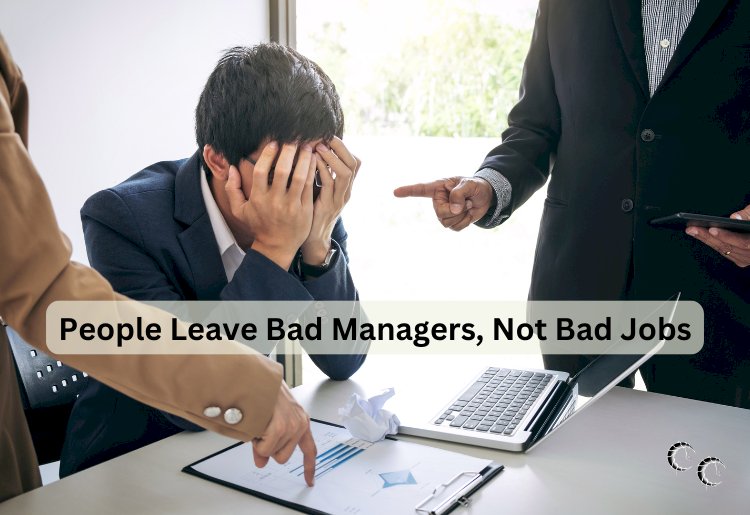
A common saying in the workplace is that people don’t quit their jobs—they quit their managers. While a job’s responsibilities, salary, and perks matter, the quality of leadership often determines whether employees stay or leave. Bad management can undermine engagement, motivation, and trust, turning even a desirable position into a source of frustration. Understanding this dynamic is essential for both employees and organizations seeking long-term success.
The Role of Leadership in Employee Experience
Managers act as the bridge between employees and the organization. They set expectations, provide feedback, and influence day-to-day experiences. When management is supportive, communicative, and fair, employees feel valued, understood, and motivated. Poor management, however, erodes these feelings, creating stress, disengagement, and a sense of being undervalued, even if the work itself is interesting.
Lack of Recognition
Employees want to feel that their contributions matter. Managers who fail to acknowledge effort, celebrate achievements, or provide constructive feedback create a sense of invisibility. Over time, this lack of recognition diminishes morale and loyalty. Even a well-paying job with meaningful work cannot compensate for feeling consistently overlooked or underappreciated.
Poor Communication
Clear, honest, and timely communication is a hallmark of effective management. Managers who are unclear, inconsistent, or unapproachable create confusion and frustration. Employees may struggle with unclear priorities, shifting expectations, or lack of guidance. This uncertainty not only hampers performance but also erodes trust, a key driver of job satisfaction.
Micromanagement and Lack of Autonomy
Managers who micromanage or fail to empower employees undermine motivation. Excessive oversight communicates a lack of trust, discouraging initiative and creativity. Conversely, granting autonomy while providing guidance demonstrates confidence in employees’ abilities, fostering engagement and personal accountability. Employees who feel controlled or stifled are more likely to seek opportunities elsewhere.
Inconsistent or Unfair Treatment
Perceived favoritism, bias, or unequal treatment significantly impacts retention. Employees are sensitive to fairness, and when managers apply rules or recognition inconsistently, it breeds resentment and disengagement. A fair, transparent, and consistent leadership style strengthens morale and reduces the likelihood of turnover, regardless of job responsibilities.
Lack of Support and Development
Employees often leave when they feel stuck, unsupported, or unable to grow. Managers who fail to provide mentorship, training, or opportunities for advancement signal a lack of investment in their team’s future. Even a compelling role becomes frustrating if employees see no path for skill development or career progression. Supportive leadership ensures that talent is nurtured and ambition is recognized.
Toxic Work Environment
Bad managers can create or allow a toxic culture, whether through bullying, favoritism, or neglect of team dynamics. Employees exposed to negativity, conflict, or undue stress may disengage, experience burnout, or seek employment elsewhere. Healthy leadership shapes a positive environment, reinforcing collaboration, respect, and psychological safety.
Impact on Organizational Success
High turnover caused by poor management is costly. Recruiting, onboarding, and training new employees require significant resources, and frequent departures disrupt productivity and morale. Organizations that prioritize strong leadership see lower turnover, higher engagement, and improved performance, highlighting that investment in management quality benefits both employees and the bottom line.
What Employees Can Do
While organizations bear responsibility for developing strong managers, employees can also navigate challenging leadership by setting boundaries, seeking feedback, documenting concerns, or pursuing mentorship elsewhere. Understanding the root cause of dissatisfaction—often leadership rather than job content—can inform career decisions and strategies for managing workplace dynamics.
Conclusion
Employees may tolerate difficult tasks, long hours, or less-than-ideal job descriptions, but they rarely endure poor leadership. Bad managers erode trust, recognition, and development opportunities, creating dissatisfaction that drives turnover. Conversely, effective, supportive leadership can transform challenging roles into fulfilling, motivating experiences.
Ultimately, organizations thrive when they recognize that investing in good management is not optional—it is critical. The quality of leadership directly affects retention, engagement, and productivity, proving that people leave bad managers, not bad jobs.