Rebuilding Our Shared Vision By Creating A Five Year Couple Adventure Bucket List
 Cordelia Cross
Mar 10, 2026 05:39
0
Cordelia Cross
Mar 10, 2026 05:39
0
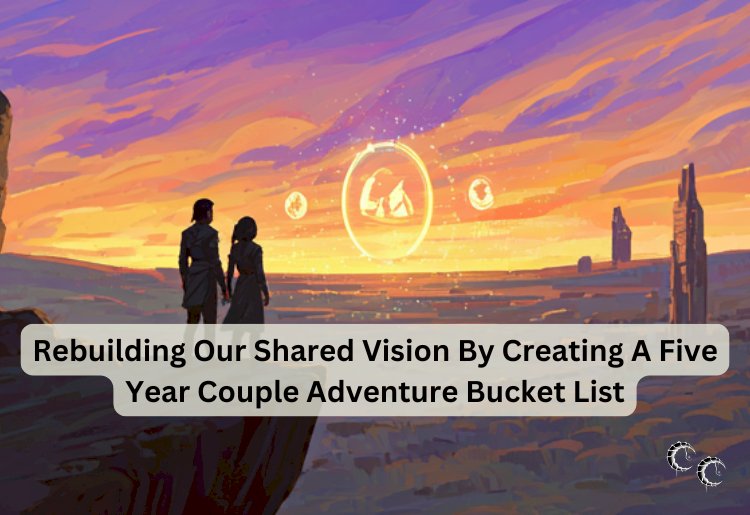
Why Couples Need A Shared Horizon
Routine has a quiet way of shrinking ambition. Days become efficient, predictable, and comfortable. While stability has value, relationships can slowly lose the sense of forward motion that once made them exciting.
Creating a five year adventure bucket list reintroduces that missing horizon. Instead of drifting through years shaped by habit, couples design a shared future defined by meaningful challenges and unforgettable experiences. The process transforms abstract dreams into concrete objectives.
Planning together also forces important conversations. What kind of challenges excite both partners? What environments feel worth the effort and risk? Through these discussions, couples rediscover the spirit of exploration that originally drew them together.
Designing The Adventure Framework
A strong five year adventure plan benefits from structure. Rather than listing random travel ideas, couples can organize their goals by difficulty, location, and personal growth.
Some adventures may focus on physical endurance such as long distance trekking or climbing. Others might emphasize exploration through remote travel, cultural immersion, or environmental challenges. The key is variety combined with gradual escalation.
Starting with achievable experiences builds confidence and momentum. Over time the goals can grow more ambitious, culminating in the most demanding expedition near the end of the five year timeline.
The framework becomes a map for long term growth rather than a simple vacation list.
Turning Dreams Into Specific Targets
A bucket list gains power when it moves from vague ideas to precise objectives. Instead of writing “hike more,” couples can define measurable challenges with clear destinations and timelines.
For example, one year might involve completing several multi day backpacking routes. Another year could focus on summiting a specific mountain or navigating a difficult coastal trail. Each goal becomes a milestone that demands preparation, planning, and commitment.
Specificity also creates anticipation. When a destination or challenge is named, the adventure begins long before the actual journey starts.
Training For Shared Challenges
Ambitious adventures require preparation. Physical conditioning, skill development, and logistical planning all become part of the shared project.
Training together strengthens both physical resilience and partnership dynamics. Early morning workouts, gear research, and practice hikes build a sense of teamwork. Every step of preparation reinforces the idea that the final challenge will be faced together.
This preparation phase often becomes just as meaningful as the expedition itself. Couples learn how they support each other under pressure and how their strengths complement one another.
Recording The Journey
A five year adventure plan is more powerful when the experiences are documented. Journals, photographs, and personal reflections capture the emotional reality of each challenge.
These records create a timeline of growth. Early adventures may show uncertainty and learning. Later ones reveal confidence, endurance, and deeper trust between partners.
Over time the documentation becomes a shared archive of memories that reflects the evolution of the relationship itself.
Learning Through Difficulty
The most meaningful adventures rarely unfold smoothly. Weather shifts, fatigue sets in, and plans occasionally collapse. These moments of friction often become the most memorable parts of the experience.
Facing difficulty together reveals how each partner responds to stress and uncertainty. One person may excel at problem solving while the other provides emotional steadiness. These complementary strengths strengthen the relationship in ways routine life rarely demands.
When couples overcome these obstacles together, the accomplishment carries far more weight than any comfortable vacation ever could.
Balancing Ambition With Sustainability
While ambitious goals are motivating, long term plans also need balance. Not every year must involve extreme physical hardship. Some adventures may emphasize exploration and discovery rather than pure endurance.
Including a mix of intense challenges and restorative journeys keeps the plan sustainable. This variety ensures that the relationship continues to grow without turning the bucket list into a source of pressure.
A healthy balance allows the adventure to remain exciting rather than exhausting.
The Legacy Of Shared Exploration
After five years of pursuing intentional adventures, the relationship carries a collection of experiences that cannot be replicated through ordinary routines. Each summit climbed, trail completed, or coastline explored becomes part of a shared narrative.
These achievements represent more than travel memories. They reflect commitment, resilience, and the willingness to face uncertainty together.
A couple who actively designs their adventures builds something rare: a partnership defined not only by daily life but by the challenges they chose to conquer side by side.
Looking Beyond The Five Year Horizon
The end of the bucket list does not mark the end of exploration. Instead it becomes the starting point for the next chapter of shared ambition.
By the time the final milestone is reached, both partners will likely see the world differently. They will understand what kinds of challenges excite them, what landscapes inspire them, and how strong their partnership becomes under pressure.
With that knowledge, designing the next five years becomes even more exciting. The spirit of adventure continues, fueled by the confidence built through every journey already completed.