Beginner’s Guide to Supermarket Simulator: Your First 7 In-Game Days
 Cordelia Cross
Mar 15, 2026 05:42
0
Cordelia Cross
Mar 15, 2026 05:42
0
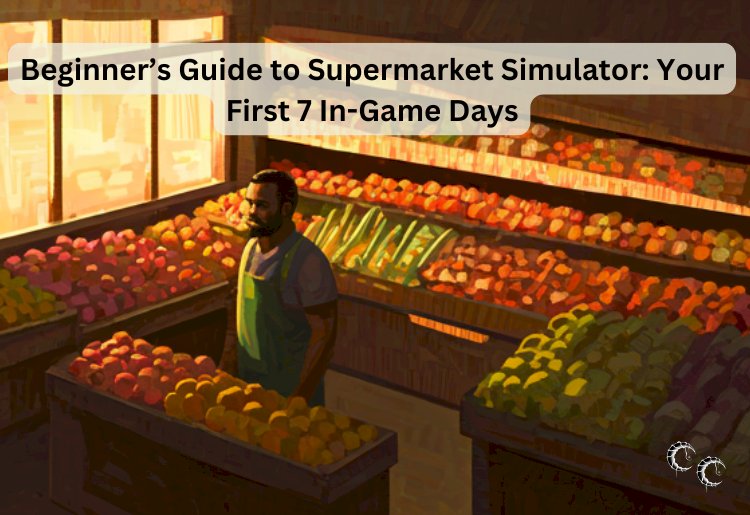
Starting fresh in Supermarket Simulator can feel overwhelming. Empty shelves, limited cash, and customers who expect efficiency from day one create immediate pressure. The first seven in game days set the tone for everything that follows. Build smart habits early and growth becomes steady. Make careless decisions and recovery takes far longer.
This guide walks you through what actually matters during your opening week so you can build momentum instead of scrambling to survive.
Day 1: Start Small And Stay Focused
Your first instinct may be to unlock as many product licenses as possible. Resist that urge. Early cash flow is tight, and spreading your budget across too many categories leads to half stocked shelves and wasted capital.
Choose a small number of essential product types and fully stock them. Customers prefer availability. A narrow but consistently filled inventory performs better than a wide but unreliable one.
Organize shelves logically from the start. Keep similar products together and leave enough space near the register to avoid congestion. Good layout habits on day one prevent expensive rearranging later.
Operate the register yourself to maximize profits. Every saved expense counts in the opening days.
Day 2: Monitor Demand Patterns
By your second in game day, you will start noticing which products move quickly. Pay attention. High turnover items deserve priority restocking and possibly expanded shelf space.
Avoid over ordering slow moving goods. Inventory sitting in storage is frozen capital. Your goal is circulation, not accumulation.
Refine your store layout if customers appear to cluster awkwardly. Small spacing adjustments can improve traffic flow immediately.
Day 3: Improve Efficiency
Now that you have a sense of demand, focus on speed.
Organize your storage room. Place high volume items closest to the entrance so restocking runs take less time. Clear pathways to avoid delays.
Consider unlocking one new product category only if your existing shelves remain consistently stocked. Growth should feel controlled, not chaotic.
Keep an eye on customer queues. If lines are forming regularly, prepare for expansion soon.
Day 4: Strategic Expansion
With stable income, this is often the right moment to unlock another license or expand shelf space. Choose complementary products that encourage larger baskets. Pair snacks with beverages or cleaning supplies with household essentials.
Do not expand the physical store too quickly. Focus on optimizing the current footprint before increasing rent and maintenance demands.
Continue handling the register manually unless customer volume becomes overwhelming. Labor savings still matter at this stage.
Day 5: Prepare For Scaling
If profits are steady, begin planning for your first major upgrade. This could mean an additional register or modest store expansion.
Evaluate your layout critically.
• Are high demand items easy to reach
• Is checkout blocking shelf access
• Are certain aisles underused
Small refinements now prevent major inefficiencies later.
Day 6: Invest In Flow
As traffic increases, store flow becomes more important than inventory variety. Widen main aisles if possible. Move clutter away from entrances. Ensure customers can browse without colliding near popular sections.
If checkout lines consistently slow operations, adding a second register can significantly increase daily revenue. The key is timing. Invest before frustration limits sales.
Day 7: Stabilize And Optimize
By the end of your first in game week, your goal is stability. You should have:
• A focused but reliable product selection
• Consistently stocked high demand items
• Organized storage for quick restocking
• Minimal customer congestion
• Steady daily profit growth
Avoid dramatic changes on day seven. Instead, refine what already works. Increase shelf space for top sellers. Trim underperforming products. Strengthen your layout logic.
Core Principles For Early Success
Throughout your first week, keep these priorities in mind.
Cash flow over variety.
Efficiency over aesthetics.
Consistency over rapid expansion.
Supermarket Simulator rewards deliberate progression. The first seven days are about building a strong operational foundation rather than chasing rapid growth.
If you focus on smart inventory control, smooth customer flow, and disciplined expansion, your store will move from fragile startup to reliable profit engine faster than you expect.