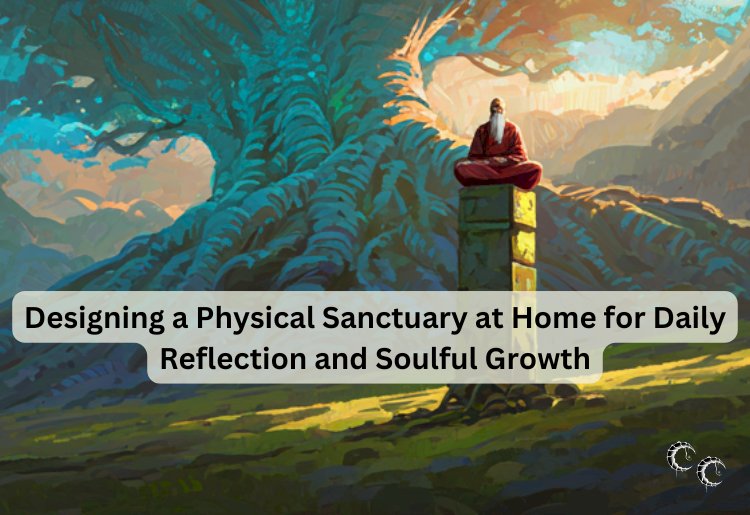
Designing a Physical Sanctuary at Home for Daily Reflection and Soulful Growth
 Cordelia Cross
Feb 28, 2026 04:28
0
Cordelia Cross
Feb 28, 2026 04:28
0
In modern life, moments of calm are rare. Phones buzz, screens flicker, and responsibilities pull attention in every direction. Creating a personal sanctuary at home offers a deliberate pause, a space to reconnect with your inner self and cultivate soulful growth. This is not just decoration. It is architecture with purpose, a tactile environment designed to nurture presence.
Choosing Your Space
Start with a corner, alcove, or small room that can be dedicated to reflection. The ideal space is:
• Quiet and away from high traffic
• Naturally lit when possible, or equipped with soft ambient lighting
• Flexible enough to allow sitting, kneeling, or gentle movement
Even a small area can become transformative when curated with intention.
Textures and Materials That Ground
Physical textures anchor attention and encourage mindfulness. Consider incorporating:
• Natural wood – Cedar, oak, or bamboo surfaces connect with earth’s warmth and offer subtle scent cues
• Soft textiles – Cushions, throws, and mats provide comfort and invite the body to relax
• Stone or ceramic objects – Small sculptures or bowls create points of tactile focus and visual calm
Each material becomes a sensory cue that signals presence and reflection.
Lighting for Contemplation
Light shapes mood and guides attention. Soft, diffused lighting encourages calm without overstimulation. Options include:
• Warm LED lamps
• Candles or lanterns
• Natural sunlight filtered through sheer curtains
Adjusting light levels during the day allows the space to respond to your rhythm, supporting morning focus or evening unwinding.
Rituals and Intentionality
A sanctuary is effective when paired with rituals. Even simple practices reinforce purpose:
• Morning meditation or breathing exercises
• Journaling thoughts and reflections
• Gentle stretching or movement to release tension
• Placement of objects that symbolize values or intentions
Consistency transforms a physical corner into a daily retreat for mental clarity and soulful nourishment.
Curating Silence
Silence is the foundation of reflection. Reduce digital interruptions by:
• Turning off notifications
• Using noise-cancelling headphones or soundproofing soft furnishings
• Keeping the space free from unnecessary clutter
Intentional quiet allows thoughts to settle, providing clarity and grounding.
Integrating Nature
Even small natural elements enhance the sense of sanctuary. Consider:
• Potted plants or bonsai for vitality and life
• A small water feature to create gentle ambient sound
• Stones, shells, or natural artifacts that resonate personally
Nature cues reinforce connection, reminding the spirit of life beyond the immediate environment.
Maintaining the Space
A sanctuary is not static. Regularly reassess the space to ensure it continues to meet your evolving needs. Rotate objects, refresh textiles, or adjust lighting to keep the environment alive and responsive.
Final Thought
Designing a physical sanctuary at home is an act of deliberate care. It is a tactile manifesto of intention, a corner where cedar, soft light, and mindful objects create a space for reflection. By stripping away digital noise and curating textures that invite presence, you transform a simple corner into a living altar for soulful growth. Daily engagement with this space fosters calm, clarity, and a profound connection to your inner self.