Gothic Art Spotlight: Emerging Artists in the Macabre Scene
 Cordelia Cross
Jun 10, 2026 10:30
0
Cordelia Cross
Jun 10, 2026 10:30
0
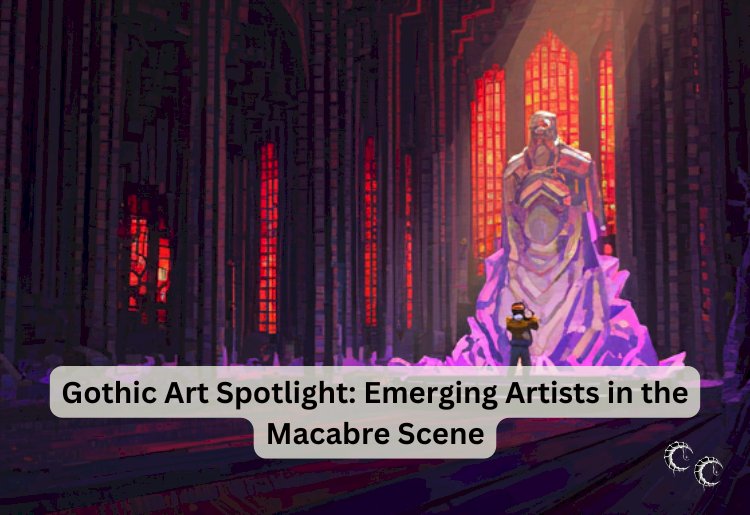
Dark castles. Flickering candlelight. Ravens perched on forgotten gravestones. Gothic art has always found beauty in places most people would rather avoid. It embraces mystery, decay, melancholy, and the strange comfort that can be found in the shadows.
While the Gothic aesthetic has existed for centuries, a new generation of artists is giving it fresh life. Instead of simply recreating haunted mansions and Victorian cemeteries, today's creators are blending traditional Gothic influences with modern techniques, digital media, sculpture, photography, and handcrafted designs.
The result is a macabre art scene that feels both timeless and surprisingly fresh.
What Defines Gothic Art Today?
Gothic art has evolved far beyond its historical roots.
Modern Gothic artists still draw inspiration from classic themes like mortality, folklore, abandoned architecture, and the supernatural, but they are also exploring subjects like mental health, identity, environmental decay, and the beauty hidden within imperfection.
One artist may paint ghostly forests wrapped in mist, while another creates intricate skull sculptures covered in delicate floral patterns. Some work entirely in black and white, while others use rich crimson, deep emerald, and shimmering gold to create dramatic contrasts.
Despite their different styles, they all share one thing.
They invite viewers to find beauty where others only see darkness.
The Rise of Digital Gothic Art
Not every Gothic masterpiece begins with a paintbrush.
Digital illustration has opened entirely new possibilities for artists who enjoy dark fantasy and horror inspired themes. Detailed portraits, surreal dreamscapes, and haunting character designs can now be created with incredible precision while still feeling deeply personal.
Many artists combine traditional drawing techniques with digital tools, creating artwork that feels handcrafted while embracing modern technology.
The Gothic aesthetic has adapted remarkably well to the digital age, proving that candlelit castles and glowing computer screens can coexist quite comfortably.
Handmade Creations That Tell a Story
One of the most fascinating parts of the macabre art scene is the growing appreciation for handcrafted work.
Artists are creating everything from taxidermy inspired sculptures and gothic dolls to hand carved frames, stained glass, jewelry, candles, and mixed media pieces that look as though they belong inside an old manor filled with forgotten secrets.
These works often carry a sense of history, even when they are entirely new. Weathered finishes, antique inspired details, and carefully layered textures give each piece the feeling that it has lived a much longer life than it actually has.
That sense of storytelling is part of what makes handcrafted Gothic art so compelling.
Social Media Has Changed the Graveyard
Years ago, discovering Gothic artists often meant visiting local galleries or niche conventions.
Today, social media has become a virtual gallery where artists from around the world share their latest creations with audiences who appreciate darker aesthetics.
This has helped emerging artists build dedicated communities without waiting for traditional galleries to notice them.
It has also encouraged collaboration. Painters work alongside sculptors, photographers inspire digital illustrators, and traditional craftsmanship finds new audiences through online platforms.
The Gothic community has become more connected than ever before.
More Than Just Dark Colors
People sometimes assume Gothic art is simply about skulls, ravens, and black clothing.
Those elements certainly have their place, but they only scratch the surface.
At its heart, Gothic art explores emotion.
It asks viewers to think about memory, loss, resilience, beauty, and the passage of time. It finds elegance in forgotten places and reminds us that endings can be just as meaningful as beginnings.
There is a quiet honesty in that perspective.
Not everything has to be bright to be beautiful.
Why Emerging Gothic Artists Matter
Every artistic movement grows because new voices continue to reinterpret familiar ideas.
Emerging Gothic artists are proving that the macabre is far from outdated. They are blending historical influences with contemporary storytelling, experimenting with new materials, and showing that darkness can be expressive without becoming hopeless.
Their work challenges expectations while honoring the traditions that inspired it.
That balance keeps Gothic art evolving instead of standing still.
The Beauty Found in the Shadows
The macabre has always fascinated people because it asks us to look a little closer.
Where some see abandoned buildings, Gothic artists see stories waiting to be told.
Where others notice fading flowers, they see reminders that beauty can exist in every stage of life.
The next generation of Gothic creators is continuing that tradition with imagination, craftsmanship, and a willingness to explore subjects that many people overlook.
Perhaps that is the greatest strength of Gothic art.
It doesn't ask us to fear the shadows.
It simply invites us to see what has been waiting there all along.