Alignment Psychology: How D&D Characters Reflect Human Behavior
 Cordelia Cross
Dec 7, 2025 04:54
0
Cordelia Cross
Dec 7, 2025 04:54
0
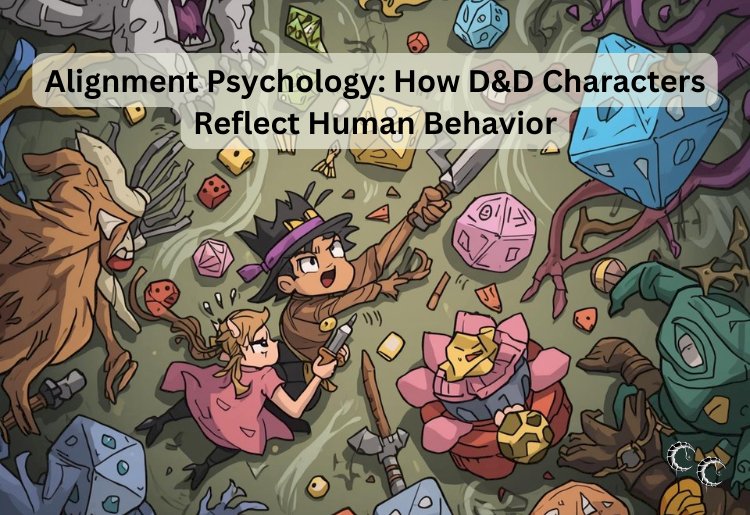
Dungeons & Dragons is more than a game of dice and combat; it is a mirror for human behavior. One of the most recognizable frameworks in the game is the alignment system, which categorizes characters along axes of morality and order. Lawful to chaotic, good to evil—these distinctions may seem simplistic, but they offer surprising insight into human psychology, motivation, and social behavior. By examining alignment through a psychological lens, we can better understand both fictional characters and the people who create and play them.
At its core, alignment reflects values and decision-making patterns. Lawful characters prioritize rules, structure, and predictability, often demonstrating a strong sense of duty or loyalty. Psychologically, this aligns with traits such as conscientiousness, planning, and adherence to social norms. Chaotic characters, by contrast, value freedom, creativity, and individual expression. They may reject constraints, improvise solutions, and prioritize personal ethics over established rules. In real life, these tendencies appear in personality differences, workplace behavior, and moral reasoning, illustrating how alignment mirrors human diversity.
The good-evil axis represents motivation and empathy. Good characters act to benefit others, protect life, or uphold fairness. Evil characters pursue personal gain, power, or control at the expense of others. Neutral characters often seek balance, self-interest, or pragmatic solutions. These distinctions resonate with moral psychology: people vary in how they weigh self-interest against collective benefit, how strongly they respond to injustice, and how willing they are to act altruistically. Alignments offer a narrative shorthand for exploring these tendencies in exaggerated, easily understood forms.
Alignment also intersects with cognitive biases and decision-making. Lawful good characters may overvalue rules, following procedures even when they create harm, reflecting rigidity in moral reasoning. Chaotic good characters may act impulsively, relying on intuition and personal judgment, sometimes creating unintended consequences. Neutral alignments often represent compromise, weighing options pragmatically but sometimes struggling with indecision. These patterns resemble real human behavior, where values, habits, and emotional responses guide choices more than abstract logic alone.
Social dynamics provide another layer of insight. In party interactions, differing alignments can create cooperation or conflict. A lawful character may clash with a chaotic one over strategy, while good and evil motivations can produce tension or alliance. These dynamics reflect human social psychology, where personality traits, moral priorities, and interpersonal expectations shape group behavior. Role-playing these interactions allows players to explore conflict resolution, negotiation, and empathy in a safe and engaging context.
Development and growth are central to alignment psychology. Characters may shift alignment over time, influenced by experiences, relationships, or moral challenges. Similarly, humans evolve through life experiences, social influence, and reflection, altering values, habits, and ethical frameworks. Tracking a character’s alignment can serve as a narrative device to examine growth, moral ambiguity, and personal transformation, highlighting the interplay between circumstance and choice.
The alignment system also taps into storytelling archetypes and cognitive schemas. Players often project familiar patterns onto characters, using alignment to define expectations and narrative roles. Heroes, villains, tricksters, and mentors all fall along these axes, providing intuitive cues for behavior and decision-making. Psychologically, this resonates with the human need to categorize, predict, and understand others’ actions, making alignment a tool for both creativity and comprehension.
Finally, alignment encourages reflection on self-perception. Players often choose alignments that resonate with personal identity, aspirations, or curiosity about other perspectives. Role-playing a character with a different moral or ethical framework can foster empathy, broaden understanding, and reveal hidden assumptions about behavior and motivation. Alignment becomes a lens for self-exploration, connecting imagination with psychological insight.
In the end, D&D’s alignment system is more than a game mechanic. It is a framework that captures fundamental aspects of human behavior: values, motivation, decision-making, social interaction, and moral development. By examining characters through the lens of psychology, players gain insight into the diversity of human thought and action, learning how choices shape both fictional narratives and real-world relationships. Alignment reminds us that understanding behavior is not just about rules or outcomes; it is about exploring the rich complexity of personality, morality, and human experience.