What ‘Eating Clean’ Really Means (and What It Doesn’t)
 Cordelia Cross
Apr 11, 2026 05:31
0
Cordelia Cross
Apr 11, 2026 05:31
0
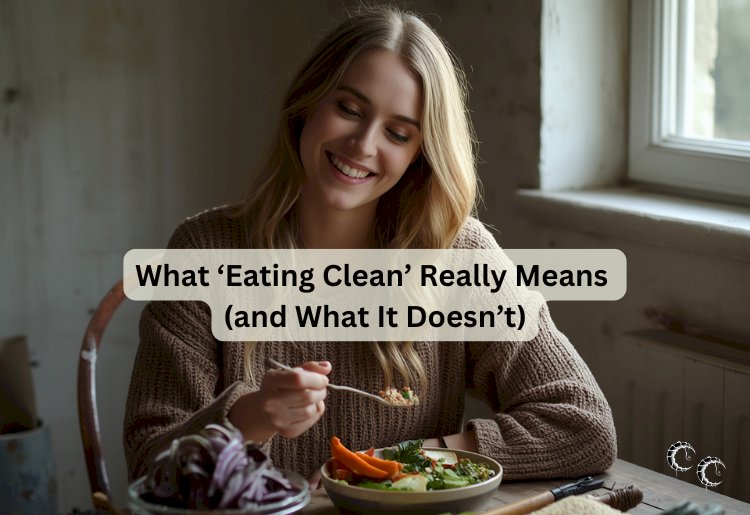
“Eating clean” is one of those phrases that sounds simple at first, almost intuitive. It suggests a way of eating that is pure, healthy, and uncomplicated. But the more you look at it, the more unclear it becomes. Different people use it to mean different things, and that flexibility is part of the problem. Without a clear definition, “eating clean” can easily shift from a helpful guideline into a confusing or overly restrictive mindset.
At its core, the idea of eating clean is usually about choosing foods that are closer to their natural state. Whole foods, minimally processed ingredients, and meals built around balance rather than extremes. In that sense, there is nothing wrong with the concept. The issue comes when the term starts to carry moral weight or becomes tied to rigid rules about what is “good” or “bad.”
What Eating Clean Is Trying to Say
When people talk about eating clean in a positive sense, they are often trying to describe a pattern of eating that prioritizes whole ingredients. Fresh fruits and vegetables, lean proteins, whole grains, nuts, seeds, and minimally processed foods tend to be part of this approach.
The underlying idea is nutrient density. Foods that provide more vitamins, minerals, fiber, and energy without relying heavily on added sugars, excessive fats, or artificial additives. From a nutritional perspective, this can be a useful way to think about building meals.
It can also encourage more awareness. Instead of relying heavily on highly processed convenience foods, people may start paying closer attention to what they are eating and how it makes them feel.
Where the Definition Starts to Break Down
The problem begins when “clean” becomes a strict label instead of a flexible idea. Food is not inherently clean or dirty. It is made up of nutrients, energy, and biological components that interact with the body in different ways depending on context and quantity.
When food is divided into moral categories, it can lead to unnecessary guilt or anxiety. A single meal that does not fit the “clean” definition does not undo overall health, just as one “clean” meal does not guarantee it.
Another issue is that eating clean is often interpreted differently depending on trends or personal beliefs. One person might consider dairy unclean, while another includes it as part of a balanced diet. These inconsistencies show that the term is not based on a universal nutritional standard.
The Role of Food Processing
Processing is often central to discussions about clean eating, but it is not inherently negative. Some processing methods preserve nutrients, improve safety, or make food more accessible. Frozen vegetables, for example, can be just as nutritious as fresh ones. Yogurt, whole grain bread, and canned beans are all processed in some way, but they can still be part of a balanced diet.
The key distinction is not whether food is processed, but how and why it is processed. Minimal processing that supports nutrition is very different from highly refined products designed primarily for shelf life or taste without much nutritional value.
Understanding this difference helps remove the unnecessary fear that often surrounds certain food categories.
When Clean Eating Becomes Restrictive
For some people, the idea of eating clean can quietly shift from a flexible guideline into a rigid system of rules. This can lead to eliminating entire food groups, avoiding social situations involving food, or feeling guilt after eating something that does not fit the definition.
This is where the concept can become harmful. Instead of supporting health, it can create stress and reduce overall enjoyment of food. Eating is not just a biological function. It is also social, cultural, and emotional.
When food rules become too strict, they can disconnect people from those broader aspects of eating, which are also important for long term wellbeing.
A More Balanced Way to Think About It
A more sustainable approach focuses less on labeling food as clean or unclean and more on overall patterns. What matters most is what someone eats most of the time, not in isolated moments.
A balanced diet includes variety. It allows flexibility while still prioritizing nutrient rich foods. It recognizes that enjoyment and health are not opposites, and that food can be both nourishing and pleasurable.
This perspective removes the pressure to be perfect and replaces it with a more realistic goal of consistency over time.
Final Thoughts
Eating clean, at its best, is a reminder to pay attention to food quality and make more intentional choices. But when the concept becomes too rigid or moralized, it loses its usefulness.
Food does not need to be divided into clean and unclean categories to be understood or managed effectively. A healthier approach looks at patterns, balance, and sustainability rather than perfection.
Ultimately, the goal is not to eat flawlessly. It is to build a relationship with food that supports both physical health and mental ease over the long term.