Building Tension and Suspense: Keeping Readers on the Edge of Their Seats
 Cordelia Cross
Aug 26, 2025 02:45
0
Cordelia Cross
Aug 26, 2025 02:45
0
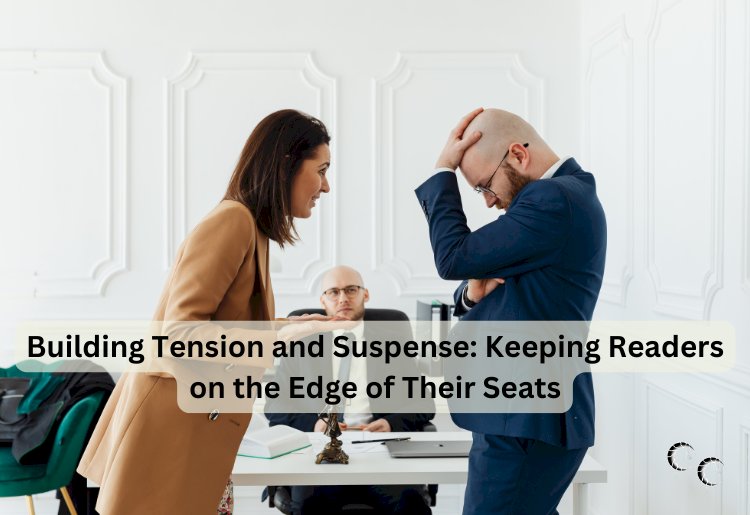
Tension and suspense are essential tools for keeping readers engaged from the first page to the last. When done well, they create a sense of anticipation, making readers eager to find out what happens next. Understanding how to craft tension effectively can transform a story, making it thrilling, immersive, and emotionally compelling.
Understanding Tension and Suspense
Tension is the sense of unease or uncertainty that arises when a character faces obstacles or danger. Suspense, on the other hand, is the anticipation of what will happen next, often keeping readers on edge. Both work together to create a gripping reading experience, encouraging readers to continue turning pages.
Techniques for Building Tension
There are several strategies writers can use to maintain tension throughout a story:
-
Raising Stakes: Make the consequences of failure significant, whether emotional, physical, or moral.
-
Time Pressure: Introduce deadlines or ticking clocks to heighten urgency.
-
Conflicting Goals: Place characters in situations where achieving one goal complicates or endangers another.
-
Foreshadowing: Drop subtle hints about future events to create anticipation and unease.
-
Limited Information: Allow the reader to know just enough to worry but not enough to feel secure.
Pacing and Timing
Effective tension relies on pacing. Alternating moments of high suspense with slower, reflective scenes allows readers to catch their breath while keeping the underlying tension alive. Carefully timed reveals, cliffhangers, and unexpected twists can make the story unpredictable and gripping.
Character Stakes and Emotional Investment
Readers feel tension most strongly when they care about the characters. Developing relatable, complex characters ensures that readers are emotionally invested in their outcomes. The more readers connect with a character’s hopes, fears, and struggles, the more suspenseful the story becomes.
Atmosphere and Setting
Setting and atmosphere are powerful tools for creating tension. Dark, confined, or unpredictable environments can evoke unease and amplify suspense. Descriptive details, sensory cues, and mood-setting help immerse readers in the world and heighten the stakes.
Conclusion
Building tension and suspense requires a careful balance of stakes, pacing, character development, and atmosphere. By strategically using these elements, writers can keep readers on the edge of their seats, creating stories that are not only entertaining but emotionally resonant and memorable. Mastering suspense ensures that readers remain engaged, anxious, and eager for every new twist and turn.