Dishonored: Master Stealth and Infiltration - Ghosting Every Mission
 Cordelia Cross
Jan 21, 2026 12:37
0
Cordelia Cross
Jan 21, 2026 12:37
0
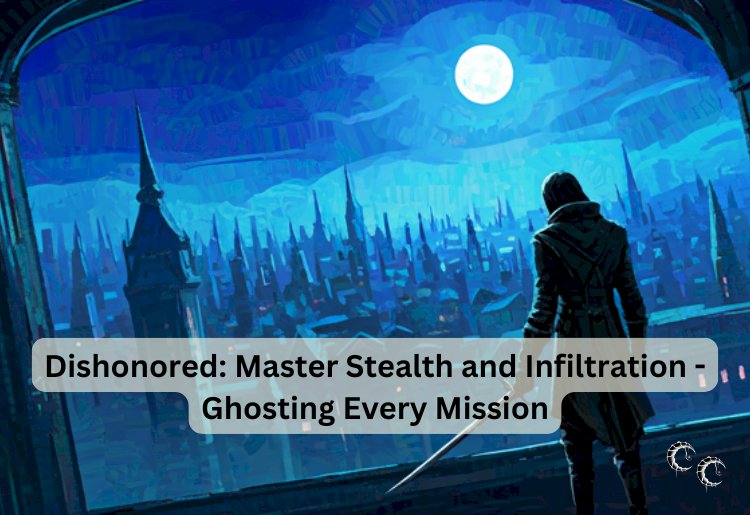
Dishonored rewards patience, awareness, and restraint more than raw aggression. While combat is powerful and tempting, the game truly shines when played as a ghost, unseen, unheard, and untouched. Ghosting a mission means completing objectives without being detected and without leaving a trail of bodies behind. It transforms each level into a puzzle of movement, timing, and observation, turning Dunwall into a playground for careful infiltration.
Understanding the Ghost Mindset
Ghost play is not about speed. It is about control. Every step is deliberate, every decision informed by enemy patterns and environmental cues. Success comes from thinking like a shadow rather than a soldier. Instead of asking how to eliminate a threat, the question becomes how to avoid it entirely.
This mindset changes how the world is perceived. Guards are no longer obstacles but moving systems. Rooms are no longer spaces to clear but routes to navigate. When played this way, Dishonored feels less like an action game and more like a living stealth simulation.
Observation Before Action
Before moving, stop and watch. Guards follow predictable patrol routes, pause at specific points, and react to sound and sight in consistent ways. High ground is invaluable for observation. Balconies, rooftops, and chandeliers allow you to study enemy behavior without risk.
Listening matters just as much as watching. Conversations reveal patrol timings and hidden dangers. Audio cues such as footsteps, coughing, or doors opening provide constant feedback. Information is your most powerful tool, and taking time to gather it often prevents mistakes later.
Verticality Is Your Greatest Advantage
Dishonored levels are designed vertically. Many players stay at ground level, but ghosting thrives above the streets and hallways. Pipes, ledges, beams, and rooftops offer safe travel routes that bypass most enemies entirely.
Blink is essential here. Used thoughtfully, it allows precise repositioning rather than flashy escapes. Short, controlled blinks reduce noise and visibility. Aim for spots that provide cover immediately upon arrival, such as behind chimneys or atop light fixtures.
Light and Shadow Control
Visibility defines detection. Staying in shadowed areas dramatically reduces the chance of being seen. Extinguishing lights creates safe paths and distraction opportunities. A single darkened hallway can become a reliable travel route if managed carefully.
Be mindful of how light changes with movement. Leaning out from cover too far or standing near doorways can expose you unintentionally. Treat every light source as a potential threat to be neutralized or avoided.
Sound Discipline
Noise is the silent killer of ghost runs. Sprinting, breaking objects, and careless landings alert guards even when you are out of sight. Move slowly when near enemies and land on soft surfaces when dropping from above.
Opening doors gently and avoiding broken glass prevents unnecessary attention. If a sound is unavoidable, use it intentionally. Throwing objects to redirect patrols allows you to slip through areas that would otherwise be inaccessible.
Tools Over Takedowns
Ghost play does not mean avoiding tools. It means using them subtly. Sleep darts are invaluable for neutralizing isolated threats without permanent consequences. Bend Time can turn impossible situations into clean escapes when used sparingly.
Possession allows access to routes that bypass guards entirely. Moving through vents or small openings avoids interaction altogether. Each power should serve a specific purpose rather than acting as a reaction to being spotted.
Timing Is Everything
Most detection mistakes happen due to impatience. Waiting an extra few seconds for a guard to turn away often makes the difference between a clean infiltration and a reset. Patrol patterns overlap in ways that create brief windows of opportunity. Learn to recognize and trust those moments.
When multiple guards are present, focus on the one with the least predictable movement. Once that variable is understood, the entire space becomes easier to navigate.
Environmental Awareness
Levels are filled with alternate paths, hidden passages, and overlooked shortcuts. Open windows, ceiling hatches, and partially collapsed walls often lead to safe routes. Exploration rewards curiosity, especially for ghost runs.
Read the environment as a story. A blocked door might suggest a roof entrance. A guarded hallway often means there is a quieter way around. Dishonored rarely forces a single solution, and ghosting thrives on finding the least obvious one.
Accepting Imperfection
Even the best ghost runs involve close calls. Nearly being seen does not mean failure. The key is recovery. Breaking line of sight, retreating to cover, and resetting patience often saves a run. Panic leads to noise, noise leads to detection. Calm movement restores control.
Ghosting is a skill that improves with repetition. Each failed attempt teaches something valuable about timing, layout, or enemy behavior. Progress is measured in understanding, not perfection.
Conclusion
Mastering stealth and infiltration in Dishonored transforms the game into an elegant exercise in restraint and awareness. Ghosting every mission is less about avoiding enemies and more about understanding them. Through observation, vertical movement, sound discipline, and deliberate pacing, Dunwall becomes a space to flow through rather than fight against.
When played as a ghost, Dishonored reveals its deepest design strengths. The city opens itself to those willing to listen, wait, and move unseen. In silence and shadow, true mastery is found.