The Chemistry of Potions: Can Science Make Magic?
 Cordelia Cross
Aug 27, 2025 04:20
0
Cordelia Cross
Aug 27, 2025 04:20
0
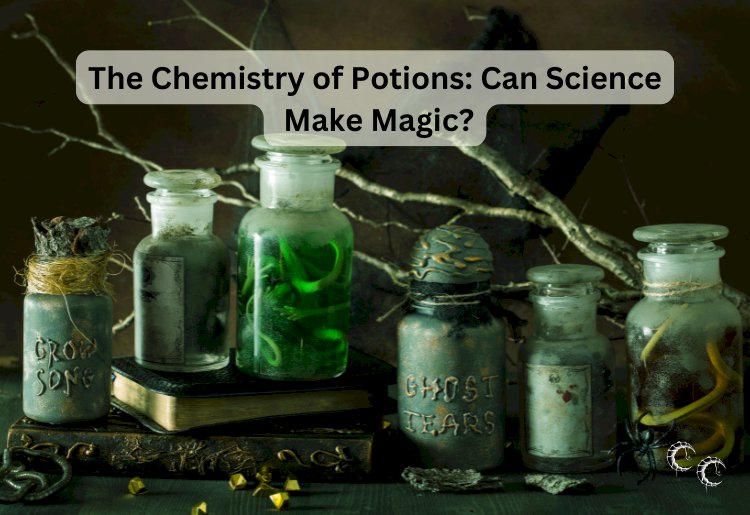
There is something captivating about the idea of potions. The swirl of colors in a vial, the gentle bubble of a liquid stirred just right, the faint shimmer of something that feels alive; it sparks imagination and wonder. For centuries, stories have painted potions as magical instruments capable of healing, transforming, or enchanting. Yet behind the mystery, there is a quiet science waiting to be uncovered. The question is not whether magic exists, but whether science can recreate some of the wonder we associate with it.
At first glance, science and magic seem like opposites. Magic is unpredictable and mysterious. Science thrives on rules and repeatability. But when you examine the ingredients and techniques used in traditional potions, it becomes clear that magic often mirrors chemistry. Herbs, minerals, and natural compounds that appear mystical were the earliest experiments in pharmacology. Alchemists of old were essentially chemists experimenting with reactions, preservation, and extraction long before modern laboratories existed. Their “spells” were observations of how substances interacted and transformed.
Consider the visual magic of potions. In stories, a potion might glow, shimmer, or change color instantly. Science can create these same effects through chemical reactions. A solution that shifts from pink to green with the addition of simple acids or bases may seem like enchantment. These transformations are predictable, yet they hold a special kind of wonder. Color-changing liquids, fizzing reactions, and glowing mixtures are examples of how observation and experimentation can evoke the feeling of magic without defying reality.
Smell and taste carry their own enchantment. Crushing herbs releases volatile molecules that dance through the air. Brewing or steeping amplifies the flavors and aromas. Plants like peppermint, chamomile, and turmeric have long histories in both folklore and medicine. Their effects on the senses, mood, and even physiology demonstrate that potions can have tangible impact. What was once called a charm or spell is now understood as the influence of chemical compounds on the human body. Science does not remove the magic. It explains why it works.
The process of creating a potion is also a bridge between science and artistry. Temperature, timing, and proportion determine the final result. Too much heat can alter a mixture’s properties. The wrong ratio of ingredients can ruin the intended effect. Precision and care are crucial, but so is intuition. Experimentation requires curiosity and observation, qualities shared by scientists and storytellers alike. In this way, the act of brewing becomes an exercise in creativity and discipline, blending the predictability of chemistry with the thrill of discovery.
Even ingredients carry a kind of poetry. Names like mandrake, belladonna, and moonwort carry history and intrigue. They remind us that words shape perception and experience. Describing a mixture as smoky, sparkling, or fragrant transforms simple chemistry into a narrative. A potion is not just a combination of substances. It is an experience crafted for the senses, an interplay of science and imagination.
The most exciting part of scientific potion-making is experimentation. Curiosity drives discovery. Mixing ingredients, observing reactions, adjusting proportions, and repeating the process produces small surprises along the way. The bubbling of a solution, the subtle scent that emerges, or the color shift that occurs all provide moments of delight. These are reminders that science can capture some of the enchantment of traditional magic. The difference is that the outcomes are tangible, reproducible, and sometimes even beneficial.
Science cannot yet grant invisibility or allow communication with animals. Some fantastical effects remain firmly in the realm of fiction. But the joy of creating potions lies in the visible and perceptible transformations that can be achieved. A bath infused with herbs and oils, a shimmering candle that changes color as it burns, or a drink that shifts hue with temperature captures the same sense of wonder that stories promise. Science offers tools to awaken the senses, elevate ordinary experiences, and connect us to nature in ways that feel almost magical.
Ultimately, the chemistry of potions is about wonder, curiosity, and discovery. Science may reveal the mechanisms behind effects once thought mystical, but it does not diminish the experience. Each color, scent, or reaction is an invitation to observe, experiment, and engage with the world. Magic and science intersect in these moments, reminding us that wonder is not only in the imagination but also in the possibilities of the natural world.
The next time you mix herbs, measure liquids, or observe a chemical reaction, remember that you are participating in a form of modern alchemy. You are a creator of small miracles, capable of transforming ordinary ingredients into something extraordinary. Magic may wear the guise of science, but it is no less real. And the true enchantment comes from seeing the hidden beauty in the reactions, aromas, and colors that surround us every day.