The Mathematics of Dungeons & Dragons: Probability and Strategy
 Cordelia Cross
Sep 3, 2025 04:32
0
Cordelia Cross
Sep 3, 2025 04:32
0
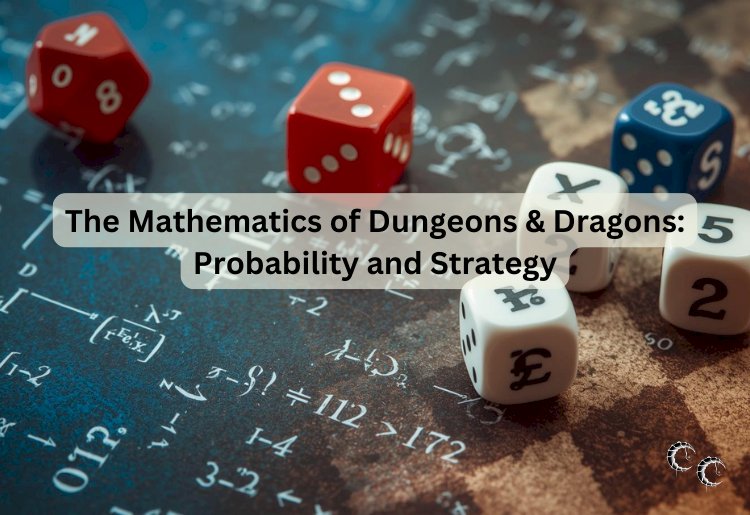
Dungeons & Dragons is often celebrated for its storytelling, imagination, and the thrill of adventure; players create worlds, solve problems, and embark on quests limited only by creativity. Beneath the surface of dice rolls and epic narratives, however, lies a layer of mathematics that shapes every decision, every battle, and every successful strategy. Probability is the invisible hand guiding outcomes, while strategy is the careful application of that knowledge. Together, they transform a game of chance into a game of skill and insight.
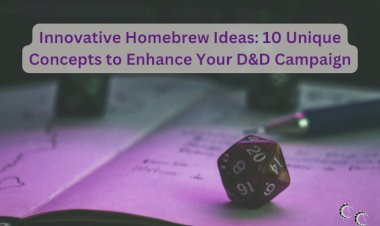
At the heart of Dungeons & Dragons is the twenty-sided die, or d20, a symbol of unpredictability and possibility. Every roll represents a universe of outcomes; a character may strike a critical blow, miss entirely, or achieve something perfectly average. Probability allows players to understand these outcomes in practical terms. Rolling a natural 20 has a one in twenty chance of occurring, approximately five percent. Knowing this, a player can weigh risks, plan for contingencies, and make decisions that maximize effectiveness without removing the element of surprise.
Probability extends far beyond the d20. Damage rolls, saving throws, and skill checks all rely on different dice combinations, creating complex distributions of outcomes. A fireball cast with eight dice of six faces each produces a range of possible results, but statistics allow players to estimate average damage and potential variability. This knowledge informs strategy, guiding choices about when to attack, when to conserve resources, and when to take calculated risks. A character’s options are influenced not just by imagination but by the invisible mathematics underpinning every roll.
Strategy in Dungeons & Dragons is the bridge between probability and storytelling. A savvy player considers both the rules and the narrative context. Combat positioning, spell selection, and resource management are all informed by statistical expectations. For example, knowing that a rogue’s sneak attack adds significant damage on a successful hit encourages careful planning to maximize opportunity and minimize exposure. Similarly, understanding enemy vulnerabilities and resistances allows players to apply probability to decision-making, increasing the likelihood of success while maintaining the excitement of uncertainty.
Team dynamics also interact with mathematics. Party composition, coordination, and complementary abilities create opportunities to exploit probabilities. A wizard may rely on area-of-effect spells while the fighter engages multiple enemies; the probability of success improves when actions are coordinated with an understanding of risk and expected outcomes. Dice may decide the moment, but strategy and collaboration shape the narrative and ensure that chance aligns with intent. This integration of probability and teamwork is a subtle form of applied mathematics that enhances both gameplay and storytelling.
Resource management is another arena where mathematics shines. Spell slots, hit points, and limited-use abilities all require planning. Players estimate the probability of success against certain challenges, balancing immediate needs with potential future threats. A cleric may choose to conserve healing spells early in the dungeon to ensure survival during a crucial encounter later. This foresight is grounded in statistical reasoning; anticipating outcomes and managing probabilities transforms random chance into a controlled approach that maximizes the party’s potential.
Randomness itself can be a tool when understood mathematically. Critical hits, fumbles, and unexpected outcomes introduce variability that keeps the game engaging. Probability helps players embrace these moments without feeling powerless. Recognizing the odds of different outcomes allows for informed decision-making while maintaining the thrill of unpredictability. Risk assessment becomes part of the story; players weigh consequences, consider alternatives, and revel in the uncertainty that makes every campaign unique.
Dungeons & Dragons also provides an opportunity to explore more advanced mathematical concepts. Distribution curves, expected values, and combinatorics all appear in gameplay scenarios. Calculating the likelihood of a combination of rolls, understanding the impact of modifiers, and predicting outcomes over multiple rounds can deepen strategic insight. These tools do not remove the fun; they enhance it, providing a framework that allows players to approach challenges with both creativity and analytical thinking.
Ultimately, the mathematics of Dungeons & Dragons is inseparable from its storytelling. Probability and strategy do not replace imagination; they amplify it. By understanding the likelihood of events and making informed decisions, players can shape their narratives while embracing the uncertainty that makes each session compelling. Dice rolls may determine fate, but mathematics ensures that chance is never blind, and strategy transforms random outcomes into meaningful choices.
Dungeons & Dragons is more than a game of luck; it is a canvas where imagination meets logic, storytelling intertwines with numbers, and creativity thrives within the structure of probability. Players who recognize the hidden mathematics behind their adventures gain a deeper appreciation for both the game and the strategies that drive success. By blending probability with thoughtful planning, the thrill of chance becomes a powerful tool, turning every roll of the dice into an opportunity for strategy, storytelling, and unforgettable adventure.