The History of Amigurumi: From Japanese Tradition to Worldwide Craze
 Cordelia Cross
Jul 26, 2025 11:56
0
Cordelia Cross
Jul 26, 2025 11:56
0
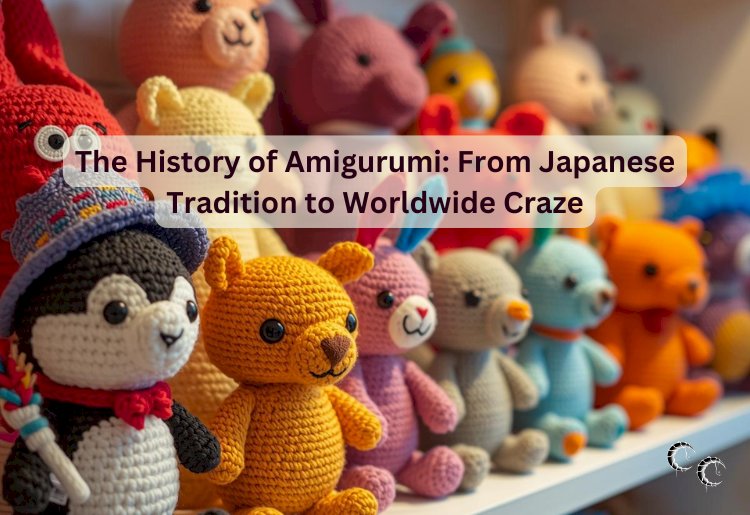
Amigurumi, the Japanese art of crocheting or knitting small stuffed dolls and animals, has become a beloved craft around the world. These tiny creations, often characterized by their cuteness and charm, have captured the hearts of crafters and collectors alike. But while amigurumi may seem like a modern phenomenon, its roots stretch back decades, deeply intertwined with Japanese culture.
Origins in Japan
The term amigurumi comes from the Japanese words ami, meaning knitted or crocheted, and nuigurumi, meaning stuffed doll. The craft first gained popularity in Japan during the mid-20th century, where these small handmade toys were created for children. Early amigurumi were simple, often made from leftover yarn, reflecting the resourcefulness and practicality of traditional Japanese crafts.
Connection to Kawaii Culture
Amigurumi’s rise in popularity is closely tied to the Japanese concept of kawaii, or cuteness. During the 1980s and 1990s, kawaii culture became a significant part of Japanese society, influencing everything from toys and stationery to media and fashion. Amigurumi fit perfectly within this aesthetic, offering makers a way to create charming, approachable figures that embodied innocence and playfulness. Instruction books and magazines began circulating, helping spread patterns and techniques to a wider audience.
Global Expansion
The early 2000s saw amigurumi spread beyond Japan, largely due to the internet. Crafters began sharing tutorials, patterns, and photos online, fostering a global community of enthusiasts. Social media platforms such as Instagram and Pinterest further accelerated the craft’s popularity, inspiring makers worldwide to create their own versions, ranging from traditional animals to pop culture characters.
Modern Amigurumi Trends
Today, amigurumi has evolved into an art form with endless possibilities. Makers experiment with different yarn textures, intricate stitching techniques, and creative embellishments like embroidery, beads, and felt. Many create characters inspired by video games, movies, and anime, while others focus on original imaginative designs. Amigurumi remains a popular craft because it is accessible, customizable, and deeply satisfying to create.
Why Amigurumi Endures
Part of amigurumi’s lasting appeal lies in its simplicity and versatility. It requires minimal materials—a hook or needles, yarn, and stuffing—yet allows for immense creativity. The process of making these tiny figures can also be calming and meditative, giving crafters a sense of accomplishment and joy.
Conclusion
Amigurumi has grown from modest handmade toys in Japan to a global craft phenomenon, celebrated for its creativity, charm, and accessibility. Whether as a hobby, a gift, or a form of artistic expression, amigurumi continues to enchant makers and collectors, proving that small creations can leave a big impact.