The Essential Skills Recruiters Seek in Graphic Designers
 Cordelia Cross
Sep 9, 2025 02:05
0
Cordelia Cross
Sep 9, 2025 02:05
0
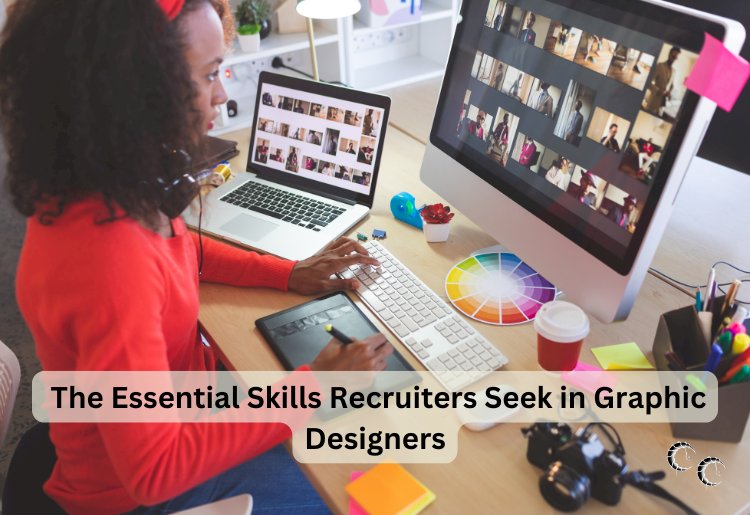
Graphic design is a fast-evolving field where creativity meets functionality. Whether it’s branding, digital media, advertising, or product design, graphic designers shape how audiences perceive and interact with visual content. Because their work directly influences brand identity and user experience, recruiters look for designers who bring a balance of artistry, technical ability, and professional reliability. Here are the top skills recruiters value most in graphic designers today.
Strong Visual and Artistic Skills
At the heart of graphic design is an understanding of visual aesthetics. Recruiters look for designers with a keen eye for color, composition, typography, and layout. The ability to create visually appealing designs that communicate effectively is essential across all industries.
Proficiency in Design Software
Technical skill is a must. Recruiters expect designers to be fluent in industry-standard tools such as Adobe Photoshop, Illustrator, InDesign, Figma, and Canva. Familiarity with UI/UX software, prototyping tools, and digital illustration platforms can also set candidates apart.
Creativity and Originality
Graphic design thrives on fresh ideas. Recruiters want designers who can think creatively, experiment with styles, and bring unique concepts to life. Being able to solve visual problems in innovative ways is one of the strongest indicators of a talented designer.
Understanding of Branding and Identity
Strong brand identity requires consistent, intentional design. Recruiters value designers who understand how visuals shape perception and can create logos, color palettes, and visual systems that reflect a brand’s personality. Designers who can maintain brand consistency across all materials are especially sought after.
Knowledge of Marketing Principles
Graphic design is often tied directly to marketing goals. Recruiters appreciate designers who understand target audiences, user behavior, and engagement strategies. Whether designing ads, social media graphics, or product packaging, knowing the “why” behind design choices is essential.
UX/UI Awareness
With the rise of digital experiences, UX/UI knowledge is a major plus. Recruiters look for designers who understand user flow, accessibility, wireframing, and responsive design. Even if you're not a full UX designer, familiarity with usability principles makes you far more valuable.
Attention to Detail
Great design requires precision. Recruiters want designers who catch inconsistencies, align elements properly, and maintain high standards of quality. From spacing to typography, meticulousness can elevate a project from good to exceptional.
Communication and Collaboration Skills
Graphic designers rarely work alone. Recruiters look for individuals who can communicate clearly with clients, marketers, writers, and developers. Being able to explain design choices, accept feedback gracefully, and collaborate effectively is crucial.
Time Management and Organization
Design projects often involve multiple deadlines and revisions. Recruiters value designers who can manage their workload, stay organized, and deliver final files on schedule. Being efficient while still producing high-quality work is a major advantage.
Adaptability and Willingness to Learn
Design trends and tools change constantly. Recruiters seek designers who stay updated on industry developments and are open to learning new software, techniques, and creative approaches. Curiosity and adaptability show long-term potential.
A Strong, Diverse Portfolio
Ultimately, your portfolio is your greatest asset. Recruiters want to see a range of work that highlights your skills, creativity, and growth. A polished portfolio demonstrating real-world projects, case studies, and problem-solving abilities can set you apart instantly.
Conclusion
Graphic design is more than creating pretty visuals - it’s about communication, strategy, and problem-solving. Recruiters look for designers who combine creativity with technical skill, professionalism, and an understanding of how design influences user experiences. By developing these essential skills, graphic designers can stand out in a competitive field and build a rewarding, impactful career.