The Science of Building in Fortnite: Physics, Speed, and Strategy
 Cordelia Cross
Dec 29, 2025 08:10
0
Cordelia Cross
Dec 29, 2025 08:10
0
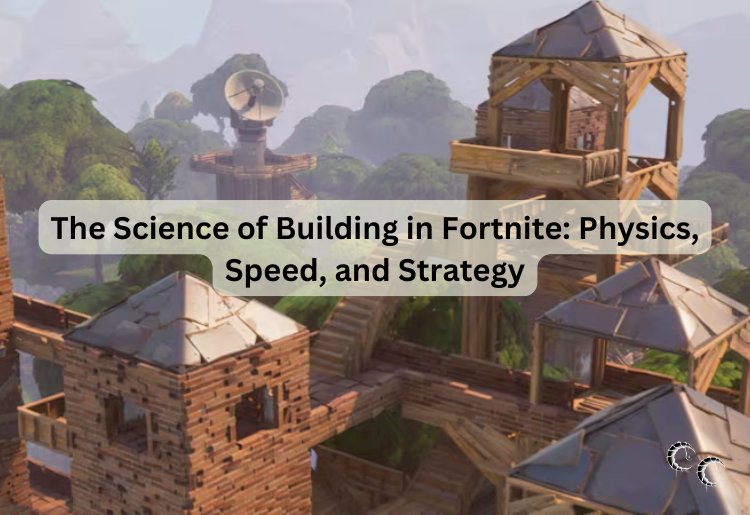
Building in Fortnite is more than a flashy mechanic—it is a complex interplay of physics, timing, and strategic thinking. Every wall, ramp, and platform relies on fundamental principles that affect movement, defense, and offense. Understanding how these elements interact can turn casual players into skilled builders who control the battlefield with precision.
Physics Behind Building
Fortnite structures obey simplified physical rules that mirror real-world concepts. Materials like wood, brick, and metal differ in strength and resistance, affecting how quickly they are destroyed by weapons. Wood is fast to place but fragile; metal is slow to build but highly durable. Players must weigh construction speed against survivability, choosing materials appropriate to the situation.
Gravity and elevation also play crucial roles. Ramps and platforms alter player height, granting advantages in line of sight, attack angles, and defense. Higher positions allow for better shooting angles and make it harder for opponents to retaliate. Understanding how verticality interacts with gravity and fall damage is essential for effective building and movement.
Momentum is another key factor. Jumping and sprinting while building influence placement and timing. Players can “jump-build” to reach elevated positions quickly, combining movement physics with construction to gain a tactical edge. Misjudging momentum can result in poorly placed structures or exposure to enemy fire, showing how physics directly affects strategy.
Speed and Efficiency
Building speed is critical in Fortnite’s fast-paced environment. Quick reaction times allow players to erect defensive structures in the midst of combat, blocking shots or creating cover. Efficient building patterns, such as pre-fabricated 1x1 towers or ramp rushes, rely on both muscle memory and situational awareness. Players often sequence builds to maximize speed while maintaining structural integrity.
Resource management also affects speed. Wood can be harvested quickly and used immediately, while metal and brick take longer to gather but provide longer-term durability. Skilled players balance resource use with urgency, adapting to the evolving battlefield while ensuring they do not run out of critical materials.
Strategic Considerations
Building is as much about strategy as it is about physics. Defensive structures, such as walls and ramps, protect against incoming fire while providing opportunities to counterattack. Offensive builds allow players to approach opponents from unexpected angles or gain high ground in team fights. Understanding when to build, when to edit, and when to break structures is essential to maintaining advantage.
Editing adds another layer of strategy. Quick modifications to walls, floors, or ramps create openings for shots, escape routes, or better positioning. Skilled editing turns simple structures into dynamic tools, enabling players to respond to threats while keeping their own movement fluid. Timing and precision in editing are as important as the builds themselves.
Height control is a core strategic element. Players who dominate vertical space dictate the pace of engagements, forcing opponents to react and often exposing weaknesses. Effective use of ramps, towers, and platforms creates pressure without necessarily engaging directly, demonstrating how physics-informed building can shape the flow of combat.
Team dynamics further influence building strategy. Coordinated construction can create shared cover, choke points, or complex defensive networks. Communication ensures that resources and efforts are used efficiently, allowing squads to control areas and respond to threats collectively. Solo players must adapt by prioritizing speed and flexibility over large-scale structures.
Risk assessment is embedded in every build. Aggressive construction exposes players to enemy fire but can provide immediate advantage. Conservative building preserves materials and safety but may cede map control. Understanding the trade-offs between aggression, defense, and resource conservation is critical for consistent success.
Environmental awareness also guides building choices. Hills, rivers, and urban terrain influence where and how to construct. Building on flat ground may offer stability, but high terrain enhances visibility and shooting angles. Skilled players integrate environmental features with constructed structures to create optimal engagement zones.
Cognitive and Motor Skills
Building in Fortnite engages rapid decision-making, hand-eye coordination, and spatial reasoning. Players must simultaneously monitor enemy positions, manage resources, and execute precise constructions under time pressure. Practice strengthens both cognitive processing and motor skills, allowing builders to anticipate needs and respond instinctively.
Conclusion
Fortnite’s building system combines physics, speed, and strategy in a way that is intuitive yet profoundly complex. Understanding how material properties, gravity, momentum, and editing interact enhances defensive and offensive capabilities. Strategic thinking, resource management, and environmental awareness amplify these mechanical skills.
Mastering building is not just about placing structures quickly; it is about shaping the battlefield, controlling space, and responding dynamically to evolving challenges. When players integrate physics-informed construction with speed and strategy, building becomes a powerful tool that transforms gameplay from simple shooting to layered tactical mastery.