Simple Meditation Techniques for Stress and Anxiety Relief
 Cordelia Cross
Aug 8, 2025 07:37
0
Cordelia Cross
Aug 8, 2025 07:37
0
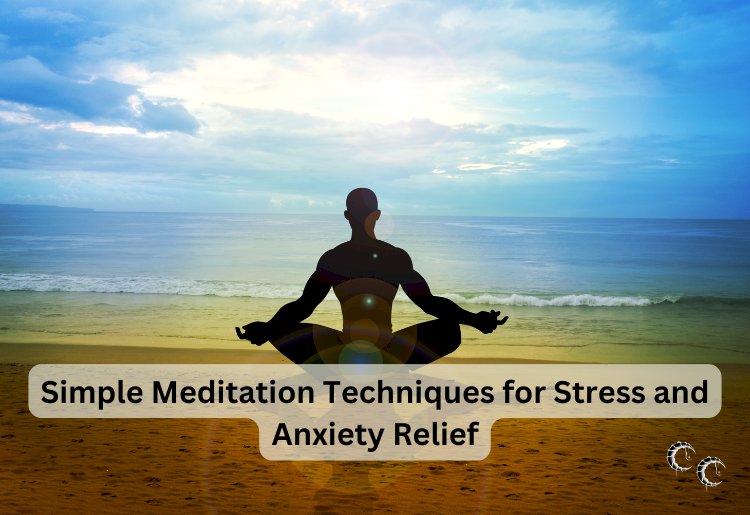
Stress and anxiety are a normal part of modern life, but that does not mean they have to control your day. Meditation offers simple, accessible tools to calm the mind, relax the body, and create moments of peace even during busy schedules. You do not need special equipment, long sessions, or prior experience. Small, consistent practices can make a meaningful difference.
Deep Breathing Meditation
One of the easiest ways to reduce stress is through focused breathing. Sit or lie down comfortably and slowly inhale through your nose for four counts. Hold briefly, then exhale through your mouth for six counts. As you breathe, place your attention on the sensation of air moving in and out of your body. This technique helps activate the body’s relaxation response and lowers tension almost immediately.
Body Scan Meditation
The body scan encourages awareness and relaxation by guiding attention through different parts of the body. Start at the top of your head and slowly move your focus downward. Notice any tension without judgment and imagine it softening as you exhale. This method is especially helpful for anxiety that shows up physically, such as tight shoulders, jaw clenching, or restlessness.
Mindfulness Meditation
Mindfulness meditation centers on being fully present in the moment. Sit quietly and observe your thoughts as they come and go without trying to change them. When your mind wanders, gently guide it back to your breath or a single point of focus. This practice builds awareness and reduces the habit of getting caught in anxious thought loops.
Loving Kindness Meditation
This technique focuses on cultivating compassion toward yourself and others. Begin by silently repeating kind phrases such as “May I be calm” or “May I feel safe.” Gradually extend these wishes to people you care about and even those you find challenging. Loving kindness meditation can ease emotional tension and promote a sense of connection and emotional balance.
Guided Meditation
Guided meditations use spoken instructions or calming audio to help direct your focus. These are especially useful for beginners or during moments of high stress. Many short guided sessions are available online and can fit easily into a break during your day or before bedtime.
Breathing with a Count or Phrase
Pairing breathing with a simple phrase can help ground your attention. Inhale while silently saying “in” and exhale while saying “out” or use calming words such as “peace” or “relax.” This technique keeps the mind engaged without overthinking and can be done anywhere.
Creating a Consistent Practice
Meditation does not need to be long to be effective. Even five minutes a day can reduce stress when practiced regularly. Choose a time that fits your routine, whether in the morning, during a lunch break, or before sleep. Consistency matters more than duration.
Conclusion
Simple meditation techniques provide practical tools for managing stress and anxiety in everyday life. By focusing on breath, awareness, and compassion, meditation helps calm the nervous system and brings clarity to the mind. With gentle practice and patience, these small moments of stillness can lead to greater emotional resilience and inner peace over time.