Lost Art of Game Manual Art: A Tribute to Forgotten Creativity
 Cordelia Cross
Jan 28, 2026 02:16
0
Cordelia Cross
Jan 28, 2026 02:16
0
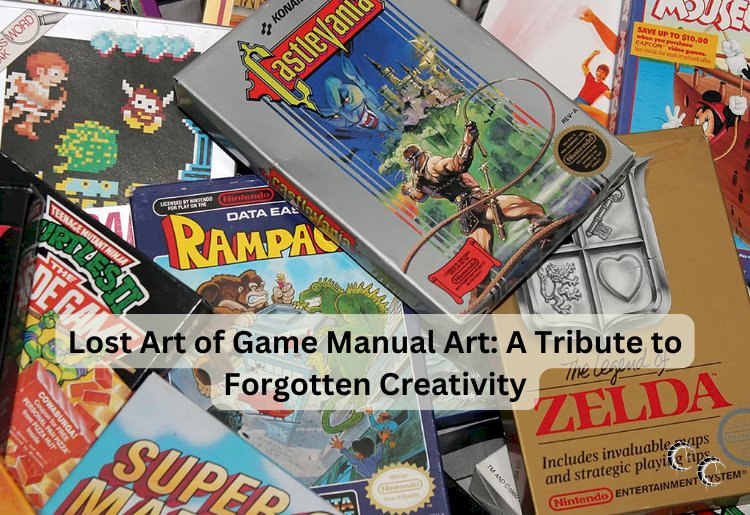
Before digital tutorials, cinematic intros, and searchable wikis, there was the game manual. Tucked inside plastic cases or cardboard boxes, these booklets were more than instructions. They were gateways into imaginary worlds, blending illustration, storytelling, and design into something quietly magical. As gaming moved deeper into the digital age, manual art faded away, taking with it a form of creativity that shaped how players connected to games long before a controller was even picked up.
When Manuals Were Part of the Experience
Game manuals once served as the first moment of immersion. Players often read them on the drive home or while a console hummed to life. They explained mechanics, yes, but they also introduced characters, lore, and tone. Manuals invited players to imagine the world before they ever stepped into it.
The artwork played a crucial role. Hand drawn maps, character sketches, enemy designs, and stylized diagrams transformed abstract pixels into living worlds. A few pages could make a simple sprite feel like a legendary hero or a terrifying villain.
Illustration as World Building
Manual art often expanded what the hardware could not yet show. Early consoles had limited resolution and color palettes, but manuals had no such restrictions. Artists filled in the gaps with detailed depictions of environments, creatures, and technology.
These illustrations did not simply mirror the game. They interpreted it. Armor looked heavier, monsters more imposing, and landscapes grander than the screen could convey. This creative interpretation helped players suspend disbelief and emotionally invest in the experience.
Instruction Meets Imagination
Manuals balanced function and fantasy in a way few modern systems attempt. Pages explaining controls were framed with thematic flair. Diagrams were styled to match the game’s setting. Even basic instructions felt like artifacts from within the world itself.
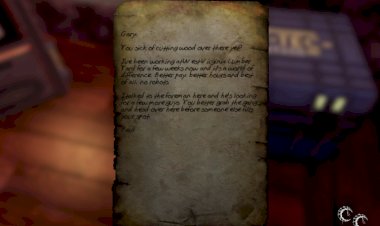
Some manuals adopted the voice of in universe characters, turning tutorials into narrative moments. Others included short stories, journal entries, or background lore that never appeared in the game. These details rewarded curiosity and deepened the sense of discovery.
A Reflection of the Era
Game manual art reflected the creative spirit of its time. Influences from fantasy illustration, science fiction covers, anime, and comic books were woven together freely. Artists were not constrained by rigid brand guidelines or cinematic realism. The result was bold, expressive, and sometimes wonderfully strange.
Because teams were smaller, individual artistic voices often shone through. Manuals felt personal, handcrafted, and experimental. They captured a moment when game development was still defining its identity.
Why Manual Art Disappeared
As technology advanced, games began to present their worlds more fully on screen. Tutorials moved into gameplay. Lore shifted to cutscenes and voice acting. Digital distribution removed the physical packaging that manuals depended on.
Convenience played a role as well. Digital instructions are easier to update, localize, and access. Yet something intangible was lost in the process. Manuals were not just informational. They were tactile, collectible, and intimate.
The Emotional Connection
There was a ritual to reading a manual. Flipping pages, studying artwork, and imagining what awaited created anticipation. Manuals allowed players to bond with a game before playing it and revisit that bond afterward.
They also served as companions during moments away from the screen. A player could revisit a favorite world through its manual, reliving excitement through art and words alone. That kind of connection is rare in today’s instant access culture.
The Influence That Still Remains
Though traditional manuals are largely gone, their influence lingers. Concept art books, collector editions, and digital lore entries echo the same desire to expand worlds beyond gameplay. Indie developers sometimes revive the format, offering stylized manuals as downloadable extras or physical inserts.
These modern tributes highlight what made manual art special. It was not about necessity. It was about care.
Remembering What We Lost
The disappearance of game manual art is not simply a technological shift. It represents a change in how games communicate with players. Something slower, more personal, and more imaginative gave way to efficiency and immediacy.
Manuals reminded players that games were crafted experiences, shaped by artists and storytellers as much as programmers. They invited imagination to fill the space between reality and the screen.
Conclusion
The lost art of game manual illustration deserves recognition not as nostalgia, but as a meaningful chapter in gaming history. These manuals were bridges between player and world, instruction and imagination, function and beauty.
While the industry has evolved, the creativity embodied in manual art remains a reminder of what games can be when they take the time to enchant before they instruct. Remembering this forgotten creativity honors the artists who helped players dream long before the first button was pressed.