Desk Job Damage: Daily Movements That Undo Sitting
 Cordelia Cross
Nov 7, 2025 03:30
0
Cordelia Cross
Nov 7, 2025 03:30
0
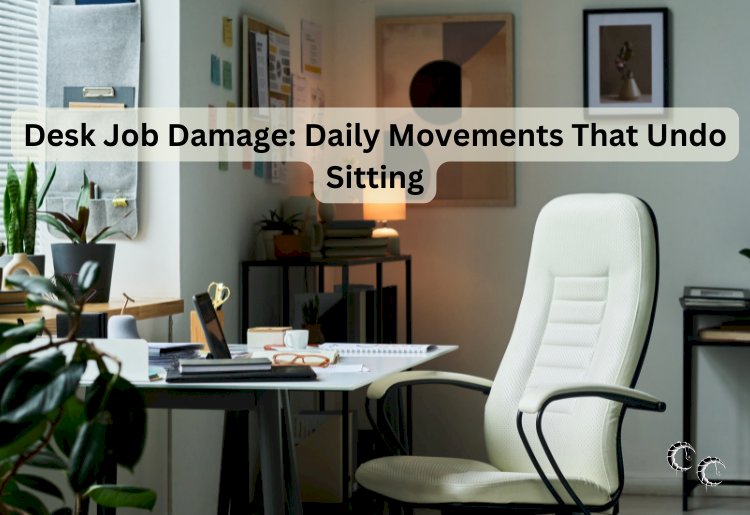
Sitting for long hours at a desk can take a serious toll on your body. Poor posture, tight hips, stiff shoulders, and lower back pain are all common complaints for people who spend most of their day seated. The good news is that small, intentional movements throughout the day can help counteract the negative effects of prolonged sitting and improve your overall mobility, posture, and energy levels.
One of the most effective ways to combat desk job damage is by incorporating regular standing and walking breaks. Even just standing up for a few minutes every hour can help activate muscles that would otherwise remain idle. Short walks around your office or home, using stairs instead of elevators, or pacing while taking phone calls can increase circulation, reduce stiffness, and help prevent muscle imbalances caused by sitting.
Stretching is another key tool to undo the effects of sitting. Focus on areas that tend to tighten from prolonged sitting, such as the hip flexors, hamstrings, chest, and shoulders. Hip flexor stretches can relieve tension in the front of your hips, while seated or standing forward folds release tight hamstrings. Opening the chest with doorway stretches or shoulder rolls counteracts the hunched posture that often develops at a desk. Incorporating these stretches multiple times throughout the day can restore flexibility and improve posture.
Strengthening exercises also play a critical role in mitigating sitting damage. Weak glutes, core, and upper back muscles contribute to poor posture and back pain. Incorporate glute bridges, planks, and rows into your daily routine to strengthen the muscles that support your spine and encourage proper alignment. Even a few sets during the day can make a noticeable difference over time.
Micro-movements at your workstation can also be highly effective. Shoulder shrugs, neck rotations, seated spinal twists, and ankle circles help keep joints mobile and reduce stiffness. Fidgeting, standing up to stretch while thinking, or using a stability ball as a chair can add subtle movement throughout your day without disrupting work.
Posture adjustments matter too. Ensure your chair, desk, and computer are ergonomically aligned to reduce strain. Keep your feet flat on the floor, shoulders relaxed, and monitor at eye level. Maintaining an active sitting posture, engaging your core, and occasionally adjusting positions can prevent your body from slumping into unhealthy patterns.
Finally, consider adding intentional movement sessions before or after work. Yoga, Pilates, or light strength training can counterbalance hours of sitting by opening tight areas, building strength, and improving mobility. These sessions also provide mental refreshment, helping you feel energized and focused for the day ahead.
Incorporating daily movements into your work routine does not require drastic changes. Standing up, stretching, walking, micro-movements, and strengthening exercises all contribute to undoing the damage caused by prolonged sitting. Over time, these practices can improve posture, reduce pain, and keep your body feeling agile, healthy, and ready to handle the demands of a desk job.