Bugs and Taz Time Busters: Exploring Every Era and What Makes the Game So Memorable
 Cordelia Cross
Oct 13, 2025 06:07
0
Cordelia Cross
Oct 13, 2025 06:07
0
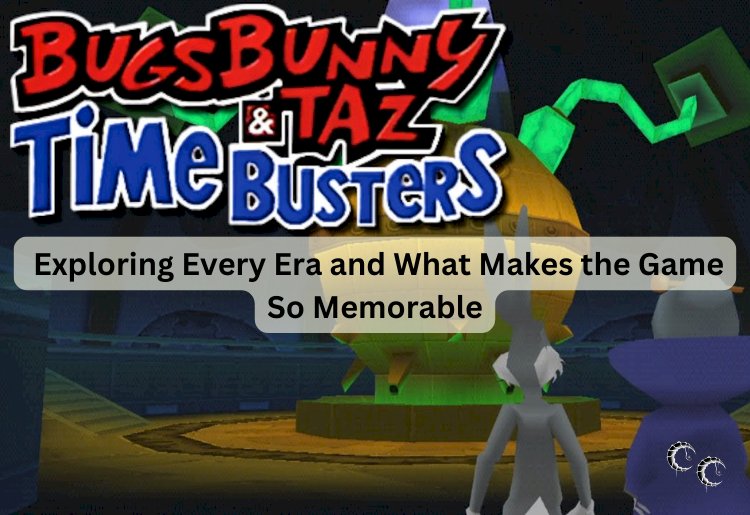
Released during the golden age of PlayStation platformers, Bugs and Taz Time Busters stands out as a colorful, chaotic, and surprisingly clever adventure that leans hard into Looney Tunes humor. Instead of a single continuous world, the game sends Bugs Bunny and Taz spinning through time itself, visiting wildly different eras that each feel like their own cartoon episode. That variety, paired with character driven gameplay, is what gives this title its lasting charm.
The Wild West
One of the earliest areas players encounter is the Wild West, a dusty cartoon frontier filled with saloons, trains, and rickety wooden platforms. This area leans into classic cowboy tropes with exaggerated animations and slapstick hazards. Enemies fire pistols that barely feel threatening, while the environment itself becomes the real challenge through collapsing floors and runaway mine carts. What makes this area memorable is how it feels like stepping directly into an old Looney Tunes short, complete with visual gags and over the top sound effects.
Medieval Times
The medieval levels trade six shooters for swords and stone castles. Knights stomp around in clunky armor while catapults and drawbridges turn simple platforming into timed puzzles. This era shines because it pushes exploration more than speed. Narrow staircases, hidden alcoves, and vertical layouts encourage players to slow down and think. Bugs and Taz interact with this environment differently, making character switching feel meaningful rather than gimmicky.
Arabian Nights
The Arabian themed levels burst with color and atmosphere. Floating carpets, spiked traps, and towering palace walls dominate the landscape. This area stands out for its increased use of vertical movement and air based hazards. Wind currents and moving platforms keep players constantly adjusting their timing. The soundtrack and visual design add a dreamy quality that contrasts nicely with the more grounded areas of the game.
Transylvania
This spooky era is where the game leans into gothic humor. Creeping castles, bats, ghosts, and exaggerated horror tropes make these levels feel playful rather than scary. The lighting is darker, and the environments are tighter, creating a sense of tension without ever losing the cartoon tone. This area highlights the game’s ability to parody genres while still delivering solid platforming challenges.
The Ice Age
Slippery surfaces and prehistoric creatures define the Ice Age levels. These stages test player control more than any other area. Momentum becomes both an enemy and a tool, forcing careful movement and patience. Visually, the frozen caverns and icy cliffs add a refreshing change of pace while reinforcing the time travel theme. The challenge here feels fair but demanding, which helps keep the game engaging as it progresses.
The Future
The futuristic levels bring neon colors, robotic enemies, and mechanical platforms into the mix. Lasers replace arrows, conveyor belts replace stone paths, and the pace ramps up noticeably. This area showcases the game’s creativity by blending science fiction visuals with Looney Tunes absurdity. It feels chaotic in the best way and serves as a strong late game environment.
What Makes Bugs and Taz Time Busters Stand Out
What truly separates Bugs and Taz Time Busters from other platformers of its era is its commitment to personality. Every area feels like a fully realized cartoon episode rather than a generic level theme. The humor is baked into the mechanics, animations, and enemy behavior, not just cutscenes.
The dual character system is another standout feature. Bugs Bunny and Taz are not just reskins of each other. Bugs is agile and clever, relying on gadgets and finesse, while Taz is destructive and unpredictable. Switching between them adds strategy and variety without overwhelming the player.
The time travel structure also keeps the game fresh. Instead of revisiting the same environments repeatedly, players are constantly introduced to new visual styles and gameplay twists. This prevents fatigue and reinforces the sense of adventure.
Ultimately, Bugs and Taz Time Busters succeeds because it understands its source material. It does not try to reinvent platforming but instead perfects a fun, accessible formula through charm, humor, and imaginative design. Even years later, it remains a standout example of how licensed games can be creative, polished, and genuinely fun.