The Geology of Dwarven Mountains and Mines
 Cordelia Cross
Dec 25, 2025 06:37
0
Cordelia Cross
Dec 25, 2025 06:37
0
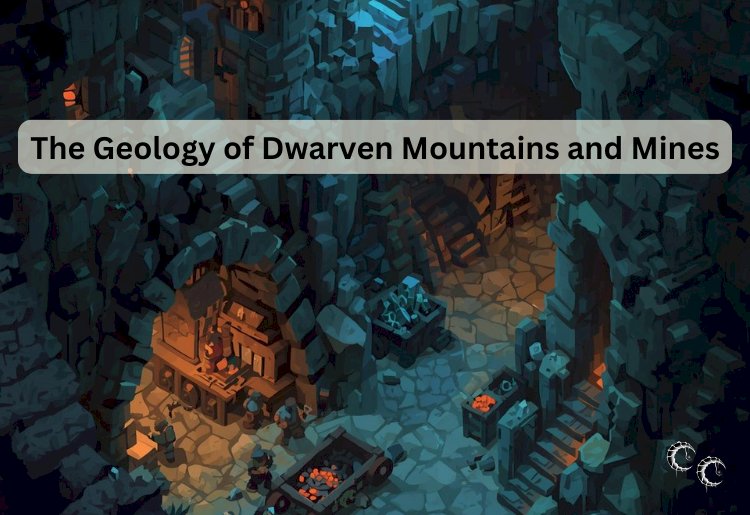
Dwarven mountains are a cornerstone of fantasy worldbuilding, rising as ancient strongholds of stone, metal, and craftsmanship. These vast ranges are more than dramatic backdrops; they are shaped by geological forces that make dwarven cultures and mining traditions feel grounded and believable. When examined through real-world geology, the mountains and mines of dwarves reveal a surprisingly realistic foundation beneath the myth.
Mountain formation is the starting point. The most convincing dwarven realms are built within tectonically active regions where continental plates collide. These collisions create folded mountain ranges, thrust faults, and uplifted crust rich in mineral diversity. Over millions of years, pressure and heat concentrate metals such as iron, copper, gold, and silver within veins and pockets. Dwarves, famed for their mining skill, thrive in these environments because tectonic activity naturally concentrates the resources they value most.
Igneous processes play a major role in dwarven geology. Magma rising from the mantle cools beneath the surface, forming intrusive igneous rocks like granite and diorite. These rocks are dense, durable, and ideal for large underground halls. As magma cools, it releases mineral rich fluids that seep into cracks in surrounding rock, forming ore veins. This explains why dwarven mines often follow winding tunnels rather than straight shafts; miners chase mineral seams created by ancient volcanic activity.
Metamorphic rock further defines dwarven landscapes. Intense heat and pressure transform existing rock into marble, slate, and gneiss. These materials are not only structurally strong but also visually striking, lending themselves to the grand architecture often associated with dwarven cities. Metamorphic zones frequently border ore rich regions, creating natural transitions from mining tunnels to ceremonial halls and living spaces carved directly from the mountain.
Sedimentary layers also have a place in dwarven mining operations. Ancient seabeds uplifted by tectonic forces can contain coal, limestone, and fossil rich rock. Coal provides fuel for forges, while limestone supports cement production and metal refining. A dwarven civilization built into a layered mountain would exploit different depths for different resources, reflecting a deep understanding of geological stratification.
The stability of dwarven mines is another key element. Real-world mining requires careful consideration of rock stress, fault lines, and groundwater. Dwarven engineering often reflects this through massive stone pillars, arched ceilings, and precisely calculated tunnel spacing. These features mirror real mining techniques used to distribute weight and prevent collapse. Dwarves are portrayed as master builders because surviving underground long term demands respect for geological forces rather than brute strength alone.
Water management is equally important. Mountains trap snow and rainfall, feeding aquifers and underground rivers. Improper excavation can flood tunnels or weaken rock layers. Dwarven mines often include drainage channels, cisterns, and carved waterways, demonstrating an advanced understanding of hydrogeology. Control of water allows for safe mining, metal cooling, and even subterranean agriculture in deeper halls.
Earthquakes and seismic activity add tension and realism to dwarven realms. Living within tectonic zones means accepting occasional tremors and shifts. Over generations, dwarves would learn to read subtle signs in stone, reinforcing cultural beliefs that the mountain speaks to those who listen. This geological awareness becomes mythology layered over practical survival knowledge.
Ore depletion shapes dwarven expansion. As accessible veins are exhausted, mines extend deeper and farther from the central halls. This explains sprawling tunnel networks, abandoned shafts, and forgotten outposts. Geological scarcity drives exploration, trade, and conflict, anchoring dwarven history in the natural life cycle of resource extraction.
Volcanic regions offer both opportunity and danger. Proximity to magma chambers provides heat for advanced forges and rare minerals formed under extreme conditions. At the same time, volcanic instability threatens entire cities. This balance reinforces the dwarven reputation for resilience and calculated risk, living close to the raw forces of the world.
In essence, dwarven mountains and mines work because they follow geological logic. Plate tectonics create the mountains, igneous and metamorphic processes concentrate the metals, and sedimentary layers provide fuel and building materials. Dwarven architecture mirrors real engineering principles, while their culture reflects long-term adaptation to stone, pressure, and time.
The geology of dwarven realms transforms fantasy into something tangible. Stone is not just scenery; it is history, economy, and identity. By rooting dwarven civilizations in believable geological systems, fantasy worlds gain depth, realism, and a sense of ancient endurance carved directly from the bones of the earth.