Player Personality Types and Character Choices: A Psychological Study
 Cordelia Cross
Jan 1, 2026 06:08
0
Cordelia Cross
Jan 1, 2026 06:08
0
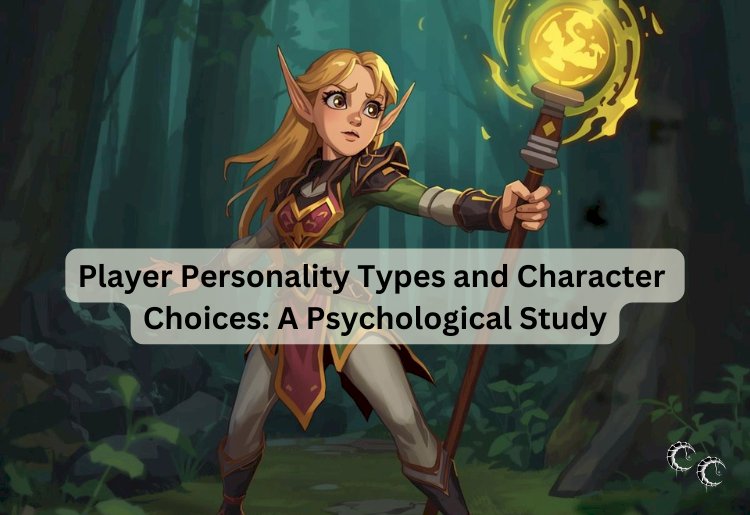
In tabletop and digital role-playing games, the characters players choose often reveal more than just aesthetic preferences—they offer insight into personality, values, and decision-making. Whether selecting a cunning rogue, a compassionate healer, or a relentless warrior, player behavior reflects psychological traits that influence gameplay and social interaction. Studying these choices provides a window into the interplay between identity, motivation, and creativity.
One key factor is the alignment of personality traits with character archetypes. Players high in conscientiousness often gravitate toward structured, rule-oriented classes or roles that emphasize planning and strategy. For example, tactical fighters or clerics may appeal to individuals who value organization and responsibility. By contrast, those scoring high in openness to experience may favor unconventional or chaotic characters, exploring unique builds, morally flexible paths, or experimental strategies that challenge norms within the game.
Empathy and agreeableness influence choices as well. Highly empathetic players frequently select supportive or nurturing roles, such as healers or diplomats, seeking to protect allies and resolve conflicts collaboratively. Conversely, players lower in agreeableness may gravitate toward aggressive or self-serving archetypes, prioritizing power, control, or competitive advantage. These patterns mirror social behavior outside the game, revealing consistent tendencies in moral reasoning, cooperation, and conflict resolution.
Risk tolerance is another significant predictor of character selection. Players comfortable with uncertainty or high stakes often choose classes that involve vulnerability or complexity, such as glass-cannon damage dealers or spellcasters with resource management challenges. Risk-averse individuals may prefer defensive, resilient, or predictable roles, minimizing the chance of failure. Game mechanics amplify these tendencies, providing measurable feedback on how personality shapes decision-making under uncertainty.
The desire for social influence also shapes choices. Players seeking leadership or status within groups often select roles that maximize visibility, decision-making authority, or impact on outcomes. Tanks, strategists, and charismatic spellcasters frequently embody this preference. Conversely, players content with observation or supportive roles may prioritize coordination and subtle influence over direct control, reflecting different interpersonal orientations.
Narrative preferences intersect with psychological traits as well. Players who value story and character development may choose morally complex or transformative archetypes, exploring identity, ethical dilemmas, or personal growth. Those more motivated by action or competition may favor straightforward, high-performance roles that emphasize efficiency, power, and measurable success. Role selection becomes a reflection of cognitive priorities—whether novelty, mastery, social connection, or moral exploration dominates.
Experience and skill level influence decision-making patterns. New players often choose archetypes that are intuitive, forgiving, or iconic, reflecting both comfort and learning curves. Experienced players may embrace complexity, hybrid builds, or experimental strategies, leveraging knowledge and confidence to navigate intricate systems. Personality interacts with experience, shaping risk tolerance, creativity, and persistence in the character selection process.
Cultural and social context also plays a role. Gender norms, peer influence, and exposure to media can shape perceptions of which roles are appealing or appropriate. Players often negotiate identity both within and outside the game, using character choices to experiment with traits, behaviors, or values they might not express in daily life. This aligns with psychological theories of identity exploration and self-expression.
Group dynamics further affect character selection. In cooperative games, players balance personal preference with team needs, sometimes choosing suboptimal or unfamiliar roles to support others. Leadership style, communication patterns, and conflict resolution skills all influence these decisions. Observing how players adapt their choices in social contexts offers insight into flexibility, cooperation, and strategic thinking.
Finally, reflection on player choices can reveal broader psychological insights. Characters serve as extensions of identity, testing boundaries, exploring morality, and simulating consequences in a low-risk environment. By analyzing patterns across players and groups, researchers can identify correlations between personality dimensions and decision-making strategies, offering both practical guidance for game design and deeper understanding of human behavior.
In conclusion, player personality types profoundly shape character selection in role-playing games. Conscientiousness, openness, empathy, risk tolerance, social orientation, narrative preference, and experience all influence choices in predictable ways. Games act as mirrors of cognition, motivation, and identity, allowing players to explore themselves through avatars. Studying these patterns highlights the rich interplay between psychology and play, demonstrating that every character choice reflects not just strategy, but the mind behind the dice.